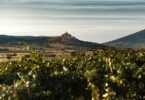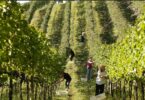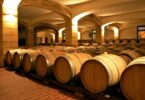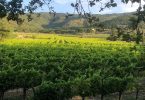

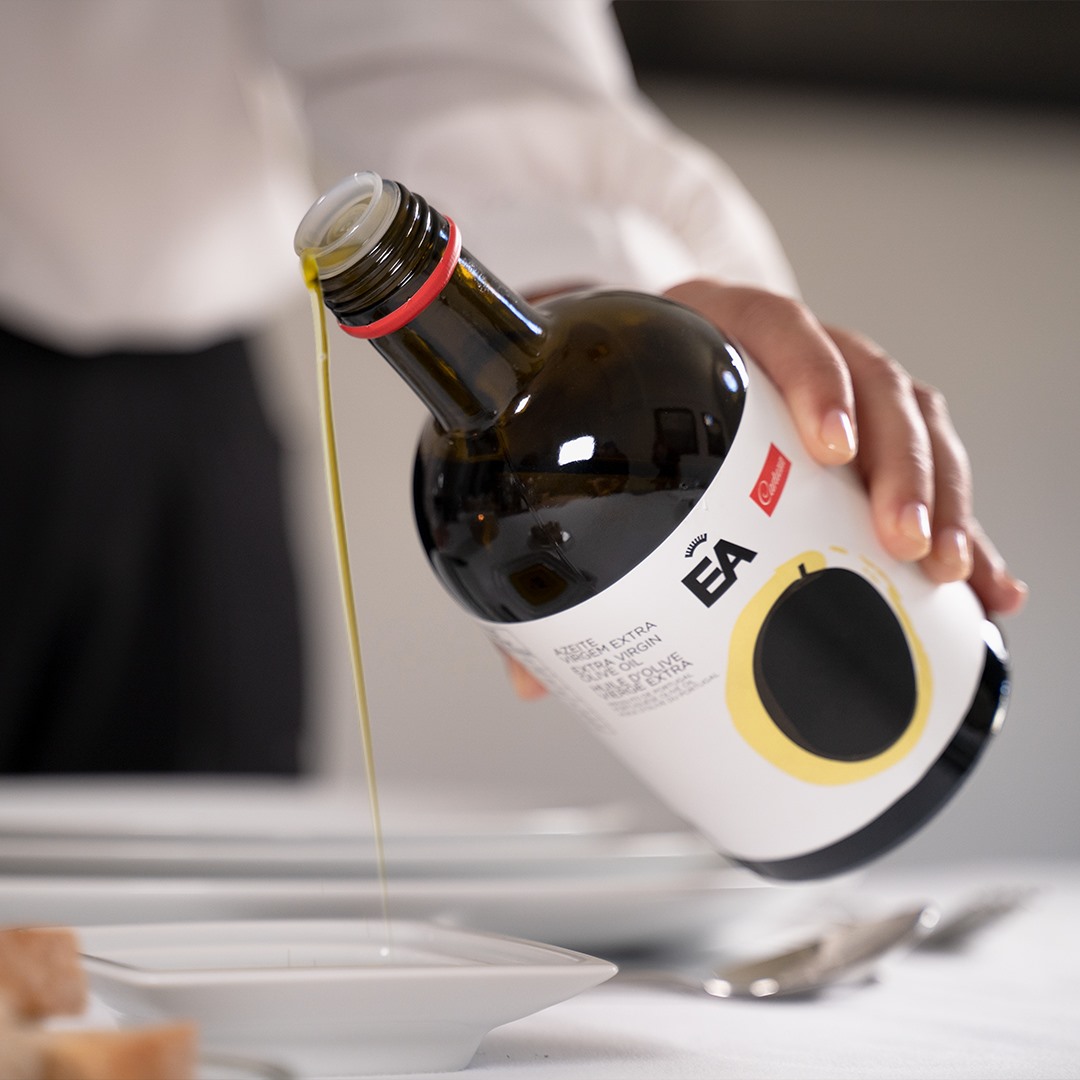

If there is a company that fully represents the territory in which it is based, it is Cartuxa. The Portuguese company expresses the soul of the Alentejo region through the production of quality wine and Extra virgin olive oil.
©Cartuxa
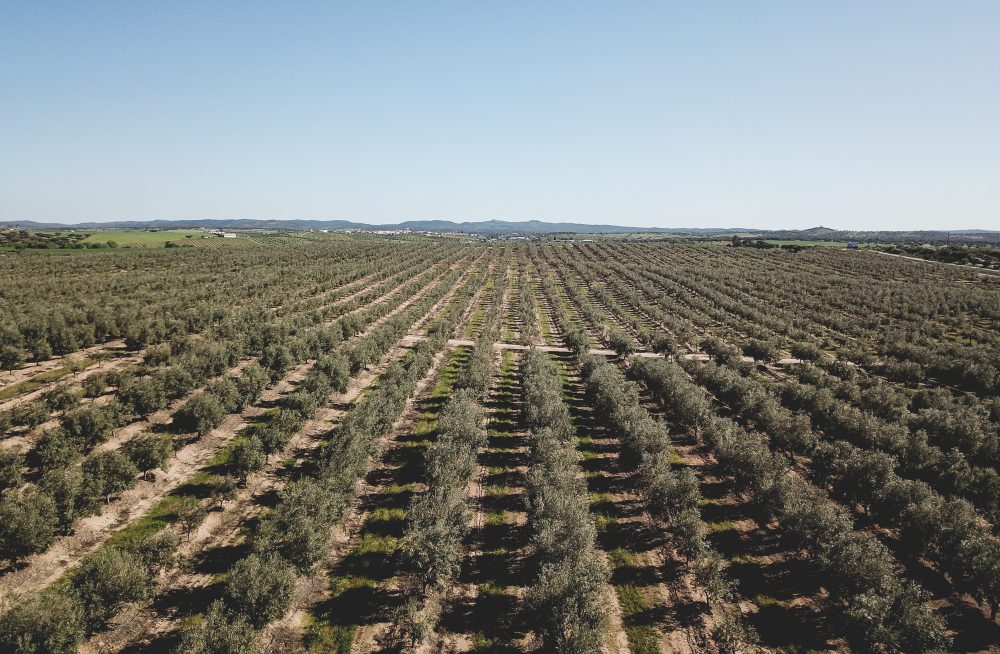
The Alentejo, the largest region of Portugal, with millennia of history, is home to prehistoric but also Roman and Arab artifacts. It remains one of the areas of Portugal where nature dominates uncontaminated with expanses of vineyards, olive groves and cork forests.
© CEPAAL
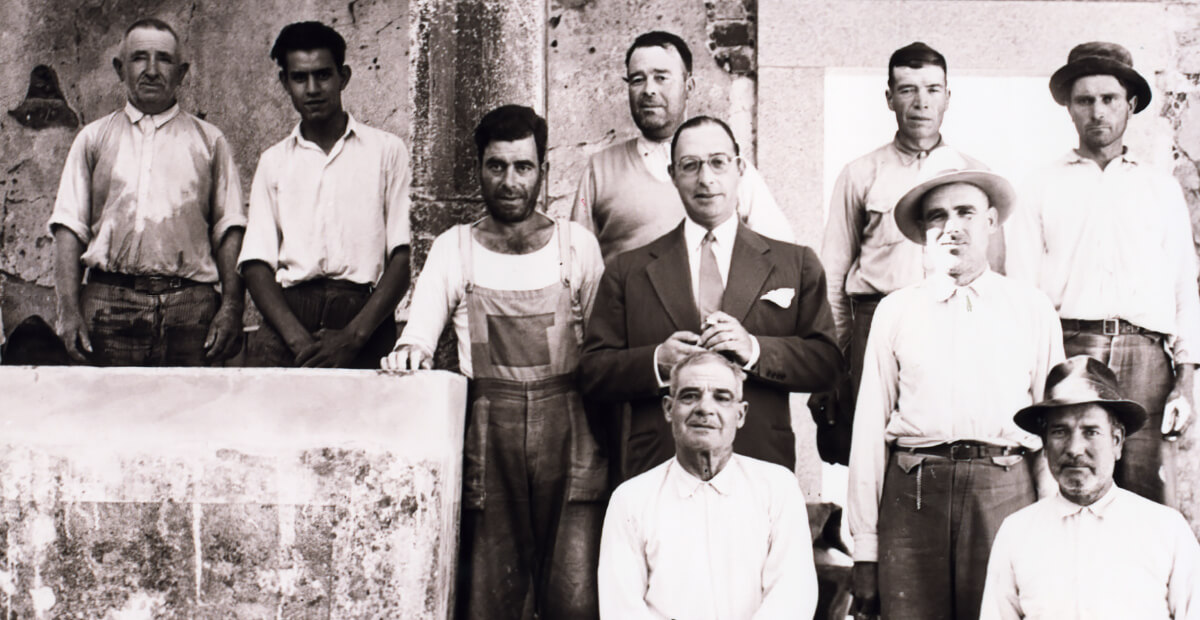
In this fertile, evocative area, where time seems suspended, in 1963, Vasco Maria Eugénio de Almeida created the Eugénio de Almeida Foundation, donating all its assets to it, leaving the promotion and cultural and social development of Évora as a goal. and surroundings. What allows the Foundation to fulfill the wishes of its founder is, above all, the production of wines and olive oils from the Adega Cartuxa (Cartuxa Winery) and Lagar Cartuxa (Cartuxa oil mill).
©Cartuxa
TERRITORY:
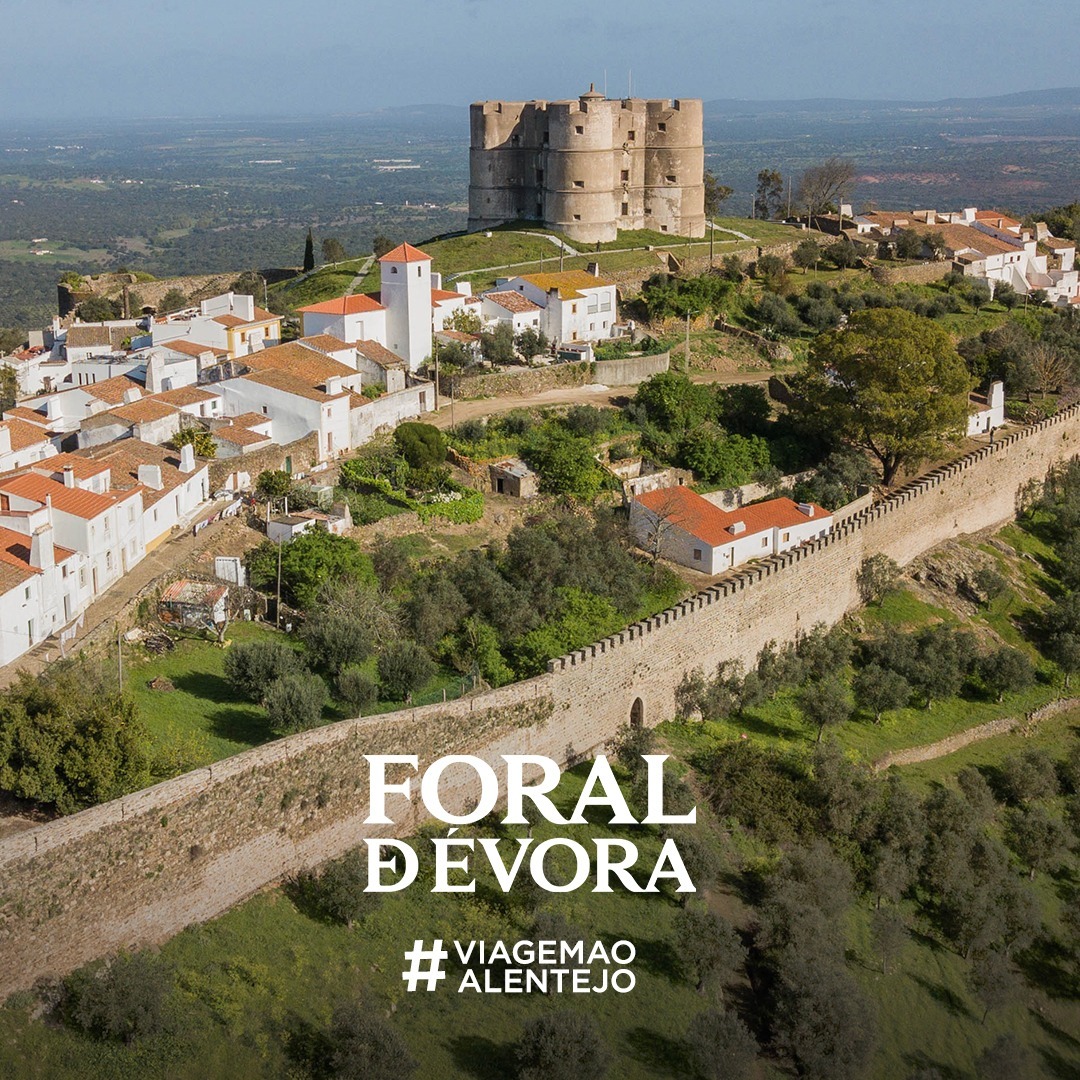
Not far from Lisbon, Évora is a Portuguese jewel in the Alentejo region. The city, declared a World Heritage Site by UNESCO for its important historical and cultural heritage, is known for its cork industry. Its historic center, made up of a tangle of alleys, attracts many international tourists who appreciate the artistic and historical value of its churches; of the temple of Diana, from the Roman period; of the ancient aqueduct; of convents, with precious libraries inside; of the Library of Evora, famous for having more than 250,000 books and half a million manuscripts; of megaliths of Neolithic origin, just outside the city, among the largest and best preserved in Europe after Stonehenge.
©Cartuxa
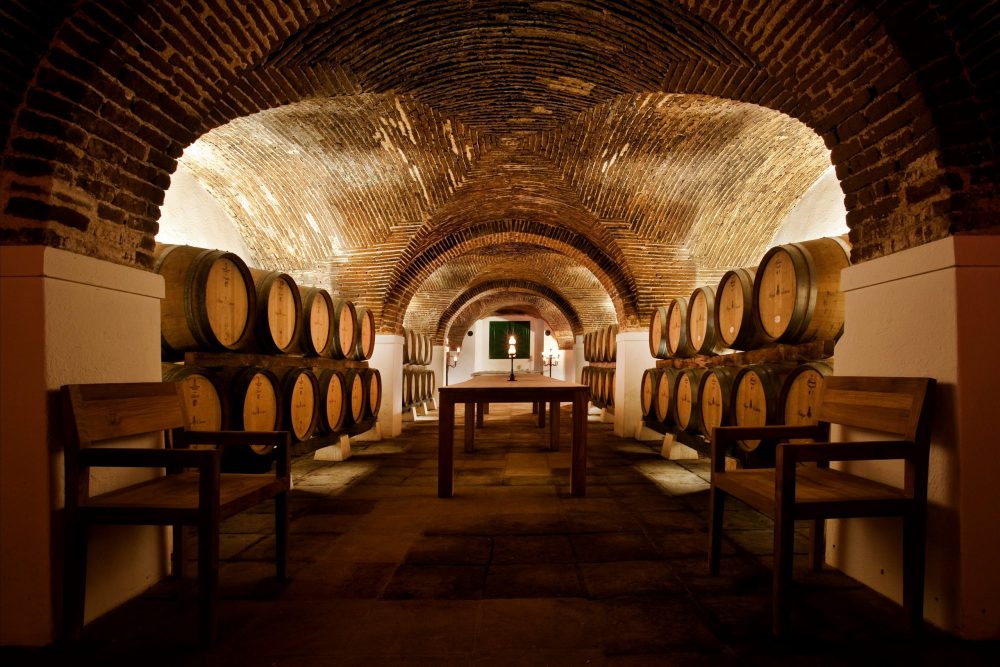
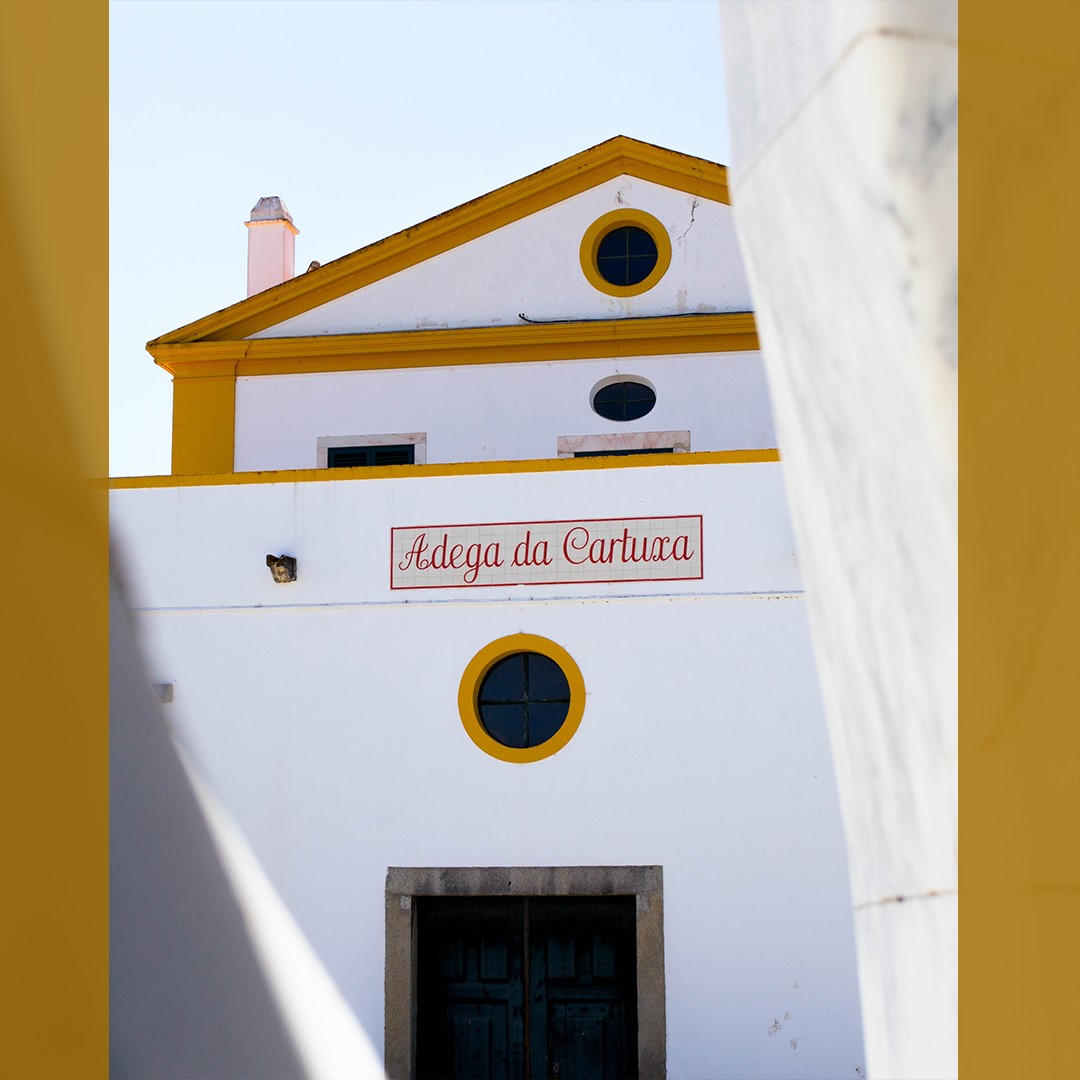
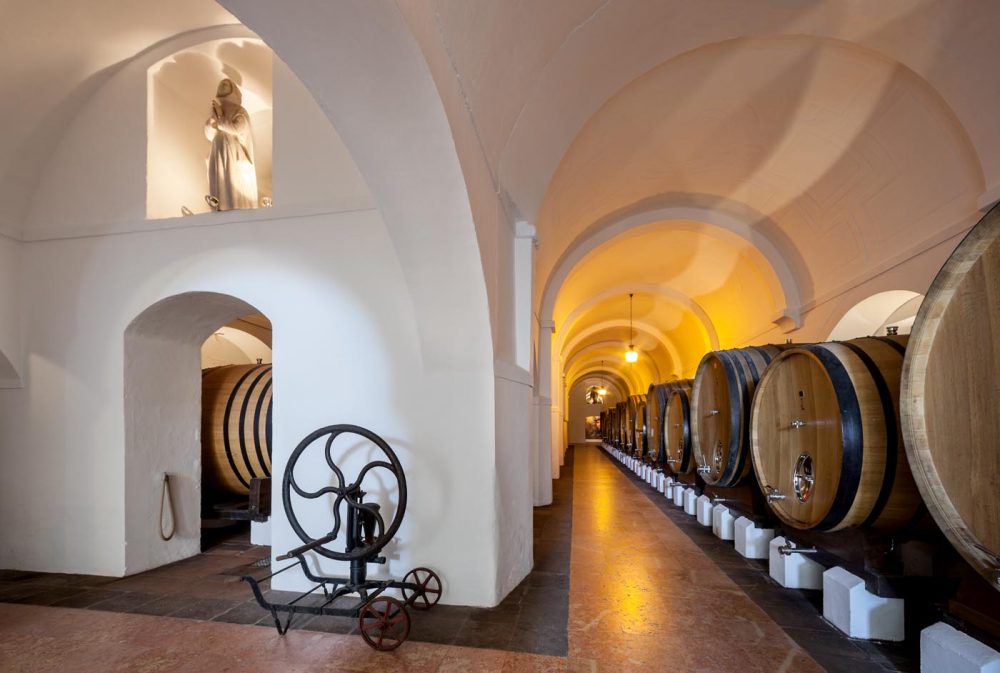
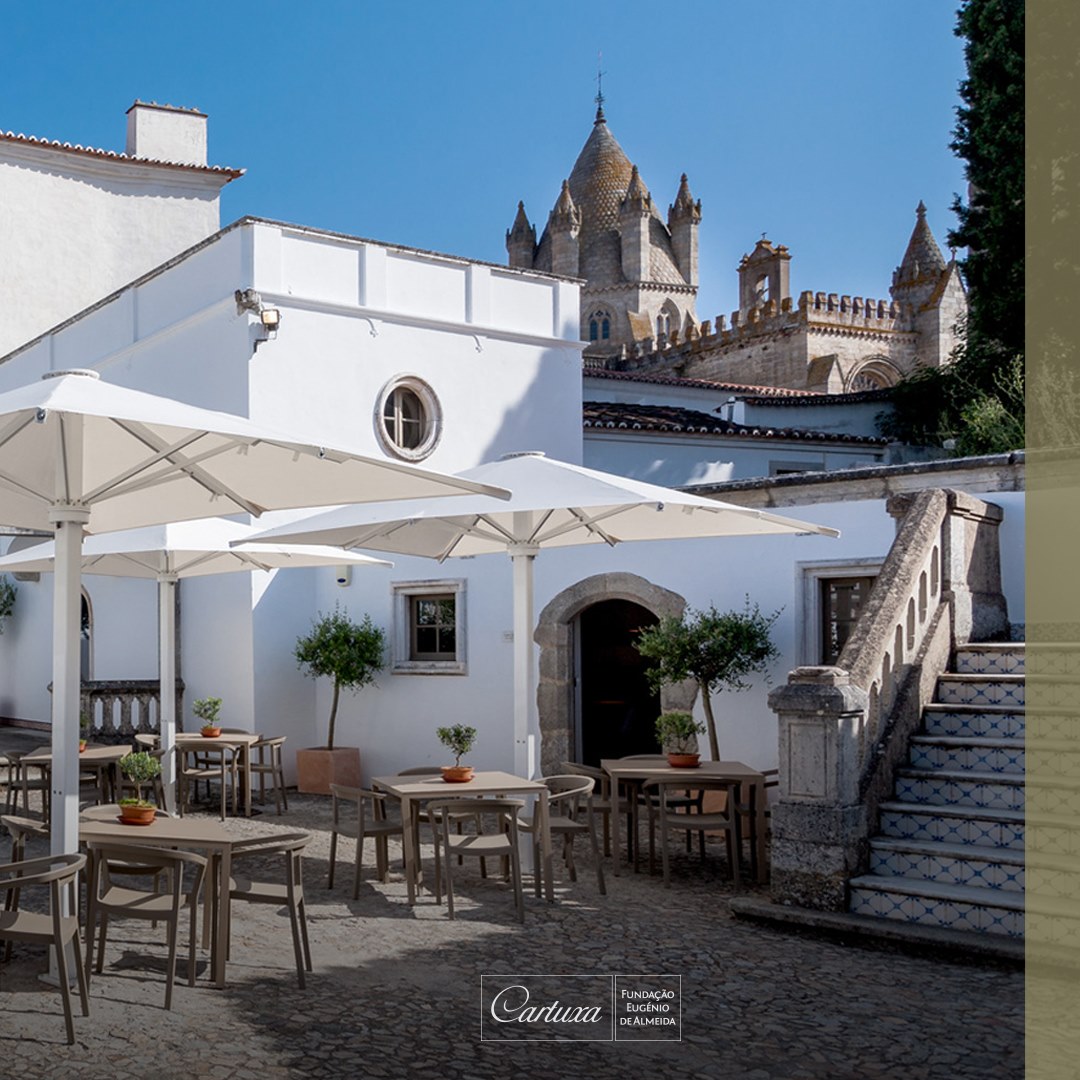
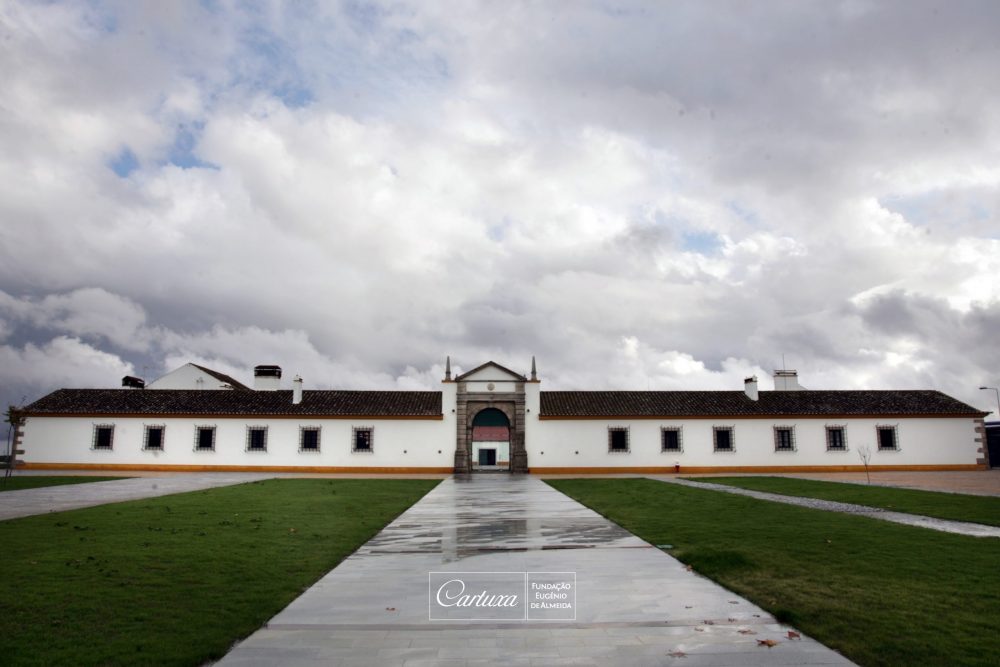
Adega Cartuxa (Cartuxa Winery) is located just two kilometers from the historic center of Évora. The company is also only two hundred meters away from the monastery that inspired the name. The Cartuxa monastery, surrounded by vineyards, was the retreat house of the Jesuits. In 1759, with their expulsion, by order of the Marquis of Pombal, the Monastery became state property. In 1776, it became an important wine press, purchased in the 19th century by the Eugénio de Almeida family. In this building, rich in history, visitors can appreciate the wine tourism route proposed by the company to discover tradition that blends wonderfully with contemporary technology.
©Cartuxa
COMPANY:
The history of the company dates back to 1869 when the great-grandfather of the founder of the Foundation, José Maria Eugénio de Almeida, bought Quinta de Valbom. After the death of his son, Carlos Maria Eugénio de Almeida, the expansion work of the Casa Agrícola Eugénio de Almeida continued. He planted the vineyards which were the first source of the Foundation’s wines.
©Cartuxa
The major renovation of the cellar between 1993 and 1995 allowed the company to make the definitive leap in quality, positioning itself among the best wineries in the country and internationally.
Cartuxa Winery has three technological sites that distinguish it from the others: refrigeration capacity; possibility of complete sorting of the grapes at the entrance to the cellar and handling and transfer of the masses only by gravity.
About six million bottles are produced annually from the fully automated bottling line installed at the Cartuxa Winery, distributed among white, rosé and red wines of the Vinea Cartuxa, EA, Foral de Évora, Cartuxa, Scala Coeli and Pêra-Manca brands.
©Cartuxa
The quality certification in the production of wine and Extra virgin olive oil is structured in the policy of the Eugénio de Almeida Foundation, as it guarantees the use of adequate technical means and qualified human resources, favoring the improvement of innovation processes and the consequent quality. product and consumer satisfaction.
©Cartuxa
EVOO:
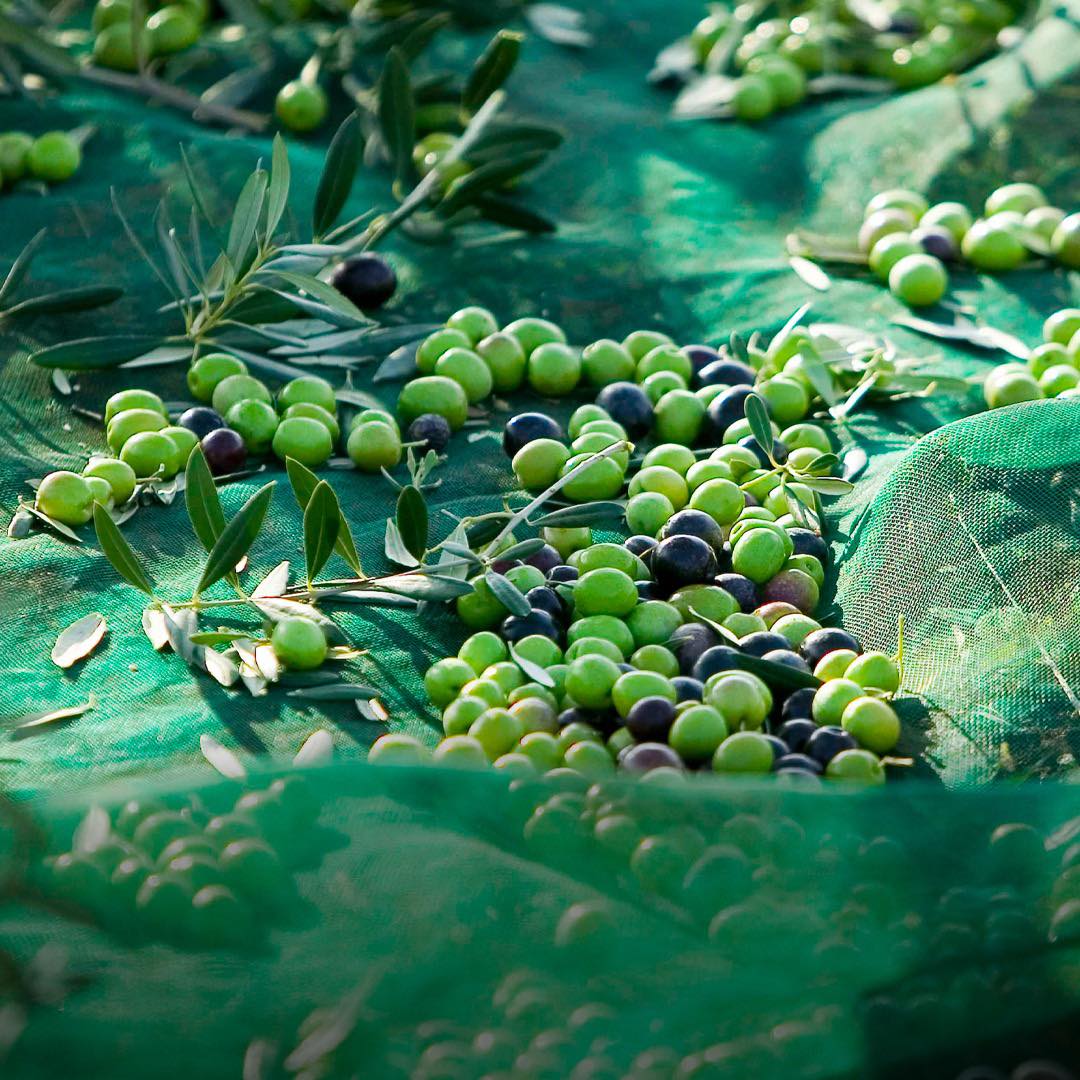
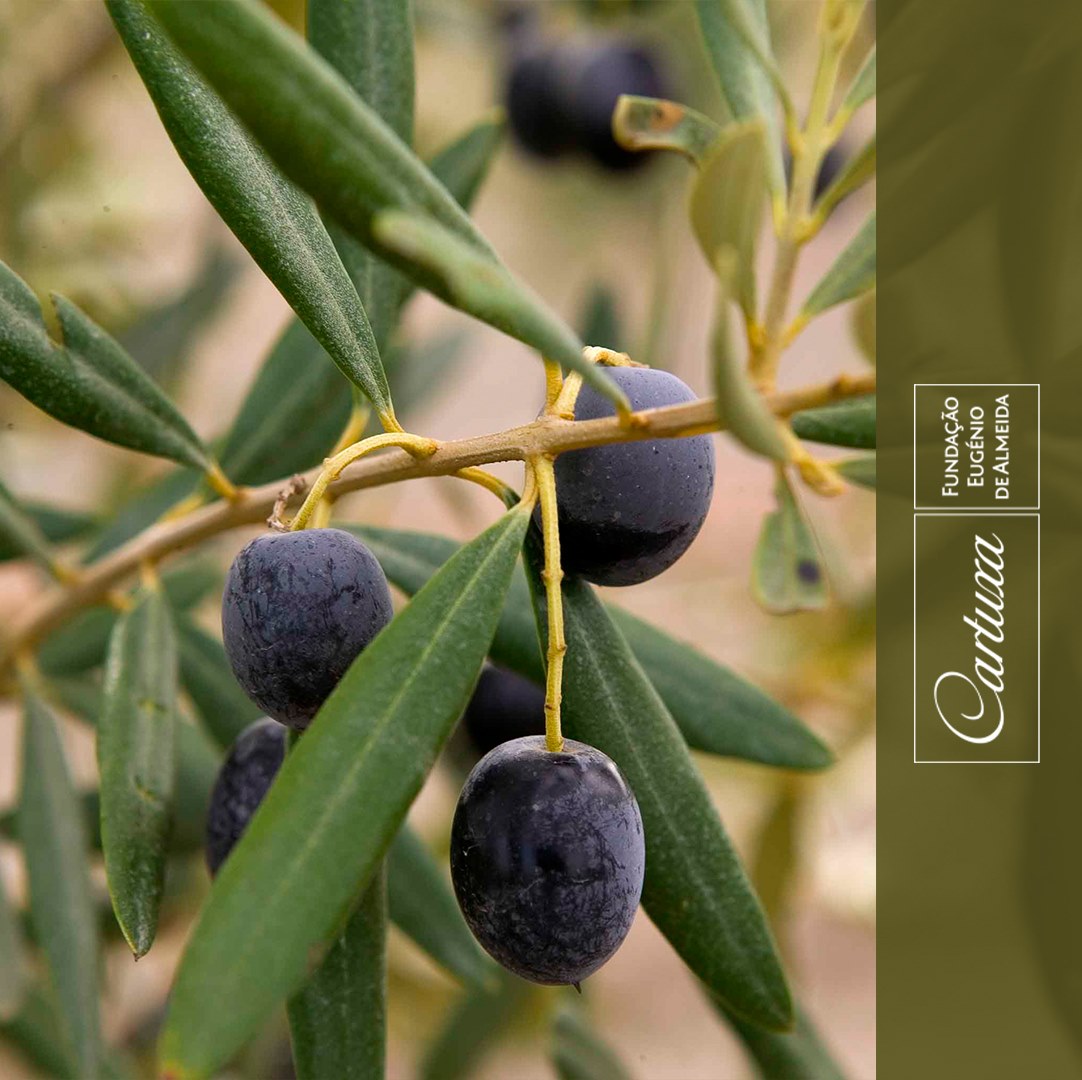
Cartuxa, despite being a winery, has bet on the production of high quality Extra virgin olive oil in one of the areas with the highest olive growing vocation such as Alentejo. The company’s olive groves extend over 400 hectares. The olive varieties grown are Galega, Cobrançosa, Cordovil, Picual, Arbequina, Koroneiki and Verdeal.
©Cartuxa
The oil mill, designed to respect the environment, has a washing water treatment system that allows reuse in the irrigation of the olive grove.
©Cartuxa
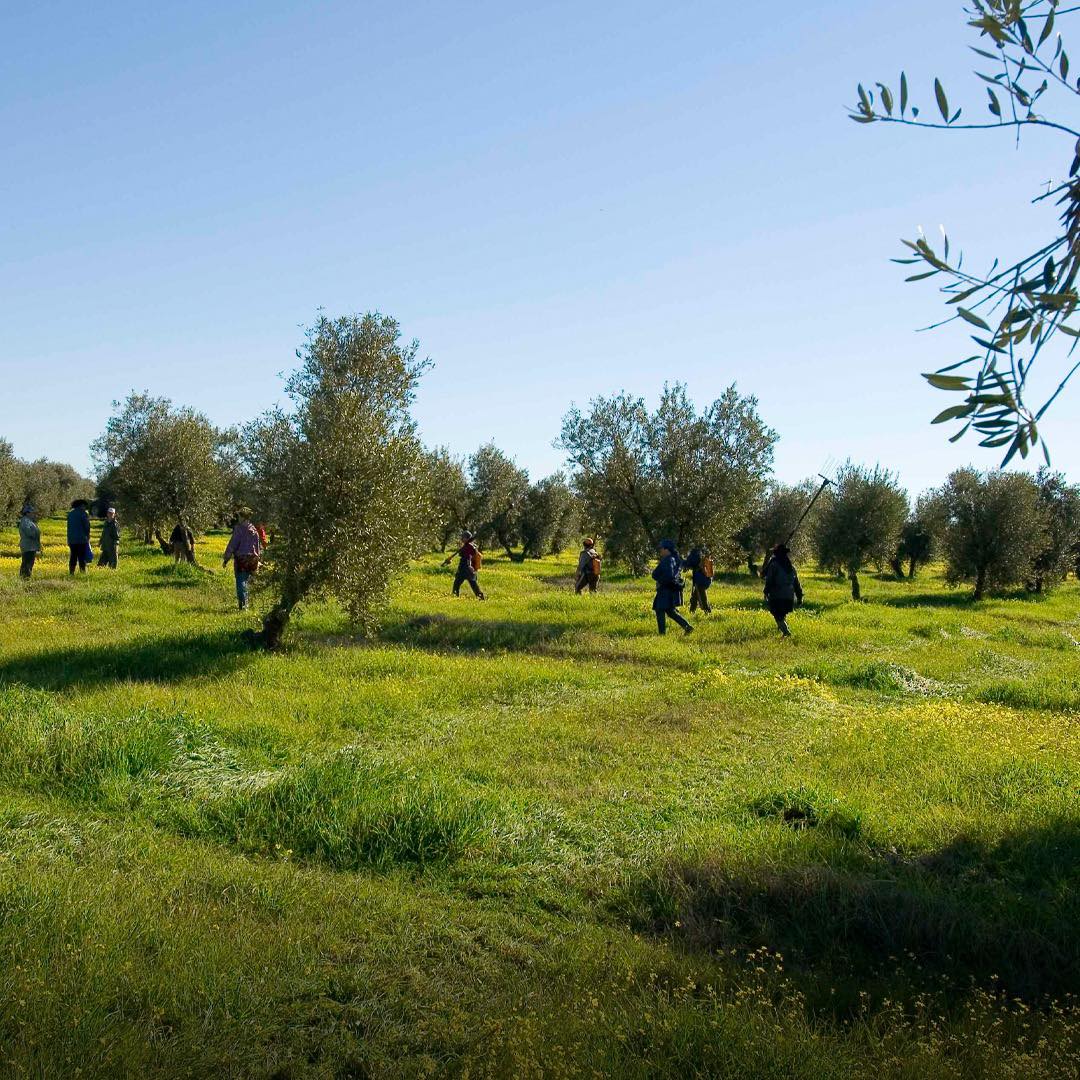
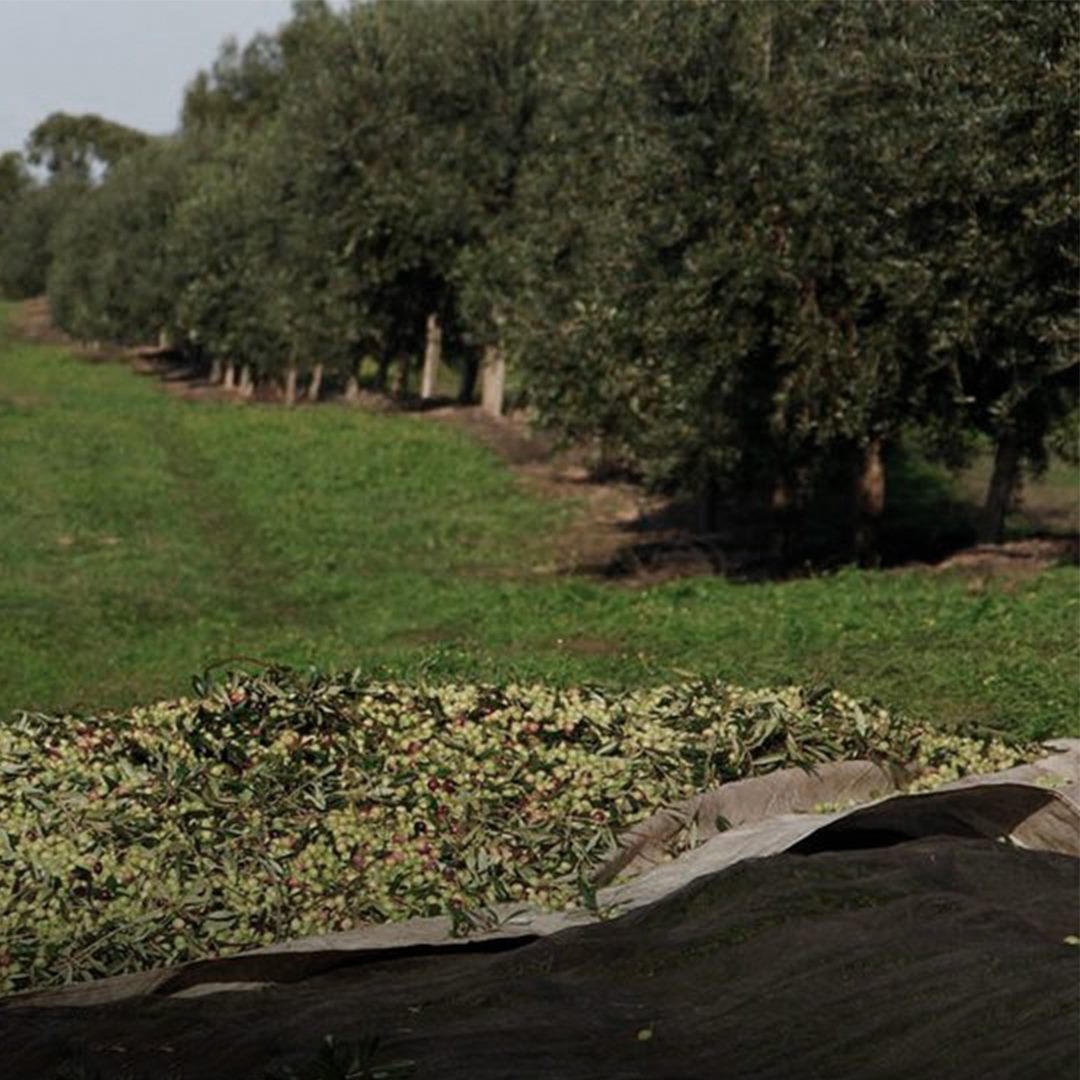
The mechanical and manual olive harvesting allows you to select only the best olives that are pressed within a few hours of harvesting. The olive oil is extracted at a low temperature (up to 26ºC), using only physical processes. All olive oil production obeys strict internal criteria and quality control operations are performed at all stages of the production system.
©Cartuxa
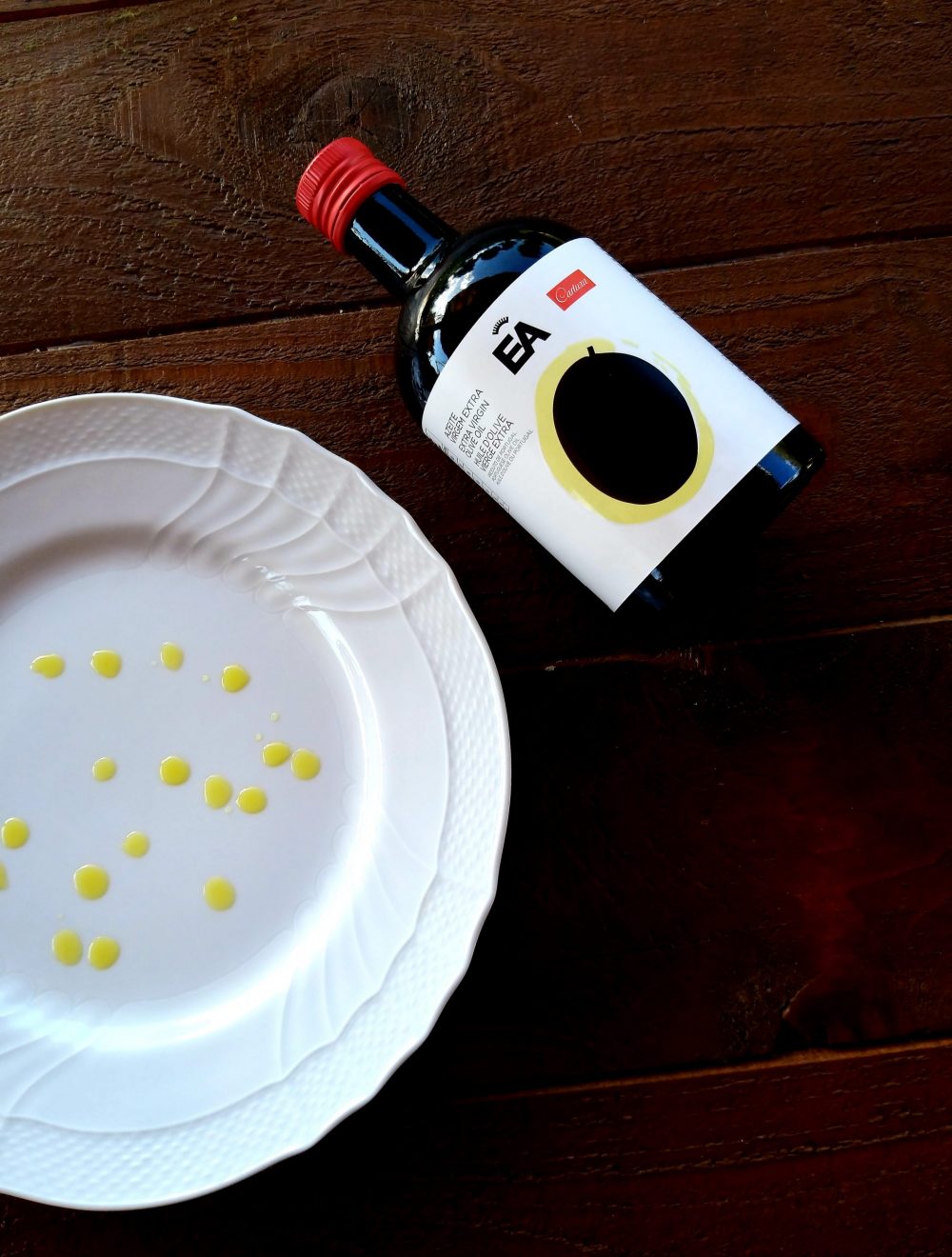
EA Cartuxa Extra Virgin Olive Oil has an important complexity of aromas. Fresh, with aromas of green and ripe olives, it has marked notes of carob and dried fruit, i.e. pecans and toasted cashews. The balance between the olfactory and gustatory notes make it an exceptional ingredient for any type of cuisine.
©Cartuxa
WHERE:
ADEGA CARTUXA
Quinta de Valbom, Estrada da Soeira-7005-003 Évora
Portugal
geral@fea.pt
(+351) 266 748 300
©Cartuxa