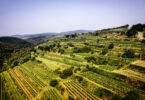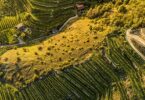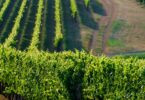


In the sun-drenched, rolling hills that bridge the Arno and Ombrone rivers, a silent but potent industry has been thriving for well over a millennium. Carmignano, a small, prestigious enclave, claiming the title of one of the oldest wine-producing regions in all of Italy.
The history of viticulture in Carmignano is as deep as the Etruscan tombs that dot the Montalbano ridge. Archaeological excavations, particularly in the hamlets of Comeana and Artimino, have unearthed wine jars and evidence of ancient production, signaling that the Etruscans—the precursors to the Romans—were already cultivating the vine in these fertile slopes.
For the Romans, the region was a prized asset. Historians have pointed to the surprising discovery of an award given by Julius Caesar himself for excellence in wine production, a testament to the high regard in which these hills were held even at the dawn of the Empire. This tradition survived the fall of Rome, enduring through the tumultuous centuries of the Middle Ages.
A pivotal document currently held in the State Archives of Florence provides an unbroken link to this past. A lease dated 804 A.D.—during the reign of Charlemagne’s Franks—explicitly describes the cultivation of olive trees and vines on the slopes of Capezzana. This remarkable record offers proof that wine has been produced in Carmignano for at least 1,200 years. The lease, granted by the church of San Pietro in Seano, utilized a sharecropping formula that would define the agricultural landscape of Tuscany for centuries to come.
© Ph.Consorzio di Tutela dei Vini Carmignano
Carmignano’s place in history was cemented in 1716, when Grand Duke Cosimo III de’ Medici, a visionary of his time, issued one of the most significant decrees in the history of viticulture. Recognizing the unique quality of the area, the Grand Duke selected Carmignano as one of only four zones in Tuscany officially dedicated to high-quality wine production.
Through the famous “Florentine Contract,” Cosimo III imposed precise rules governing production methods and geographical boundaries. These regulations acted as a precursor to modern appellation systems, effectively making Carmignano the world’s first D.O.C. (Denominazione di Origine Controllata). It was a bold act of protectionism that ensured the integrity of the “Carmignano” name, distinguishing it from the common table wines of the era.
By the 17th century, the region’s reputation was such that the poet Francesco Redi, in his work Bacchus in Tuscany, famously described the wine of Carmignano as “worthy of Jupiter”—the king of the Roman gods himself.
© Ph.Consorzio di Tutela dei Vini Carmignano
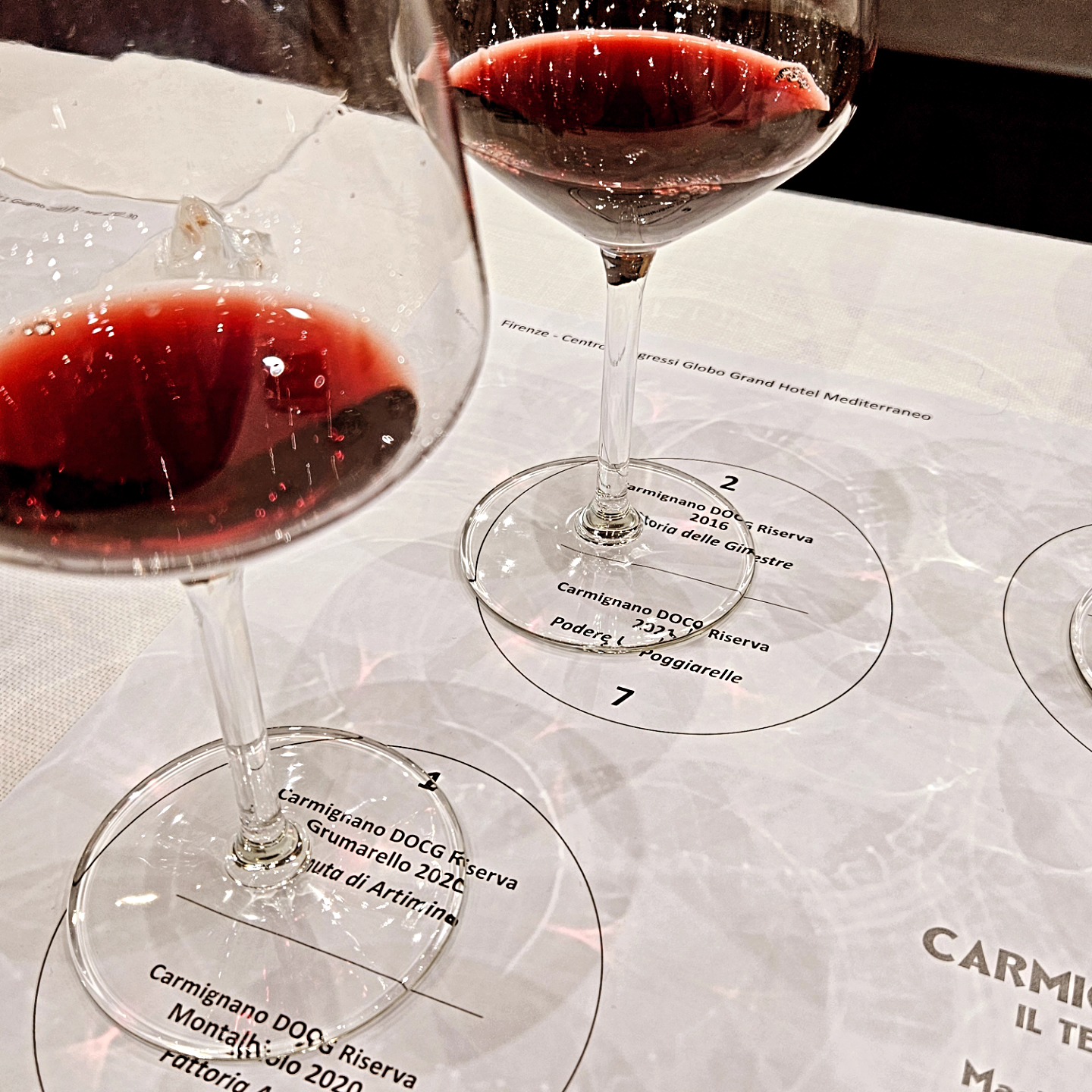
One of the most fascinating aspects of Carmignano is the presence of grape varieties that seem almost alien to the rest of Tuscany. While the surrounding regions focused largely on the Sangiovese grape, Carmignano began a long love affair with the French “Cabernet” family.
Legend and history converge in the 16th century, when Catherine de’ Medici, the Queen of France, reportedly requested that these vines be brought from her home to the sunny hills of her ancestral Tuscany. Locals affectionately dubbed the grape “Grape Francesca,” a nod to its French origins long before the name “Cabernet” became a global standard. Today, the inclusion of Cabernet and Merlot in the blend is what gives Carmignano its distinct, sophisticated character, setting it apart from the typical Chianti.
© Ph.Consorzio di Tutela dei Vini Carmignano
The 20th century was a period of both struggle and resurgence for the region. Throughout the late 1800s and early 1900s, production was largely overseen by the Niccolini family. By the 1930s, however, the industry faced a period of consolidation. The historical Carmignano identity was initially swallowed into the broader “Chianti Montalbano” label, a move that many local vintners felt diluted the unique heritage of the area.
The shift back to greatness was spearheaded by Count Ugo Contini Bonacossi. Working in tandem with local leaders like Cianchi Poggiolo, the mayor and chief engineer of Capezzana, the Count worked tirelessly to restore the prestige and independent identity of Carmignano. His efforts bore fruit in 1975, when Carmignano became one of the first regions to regain the D.O.C. status, with the recognition applied retroactively to the 1969 harvest.
The validation of quality continued in 1990, when the region was elevated to the status of D.O.C.G. (Denominazione di Origine Controllata e Garantita), the highest classification in the Italian wine hierarchy. Again, this honor was awarded retroactively to the 1988 vintage, a final nod to the consistent, high-standard production that had never truly faltered.
© Ph.Consorzio di Tutela dei Vini Carmignano
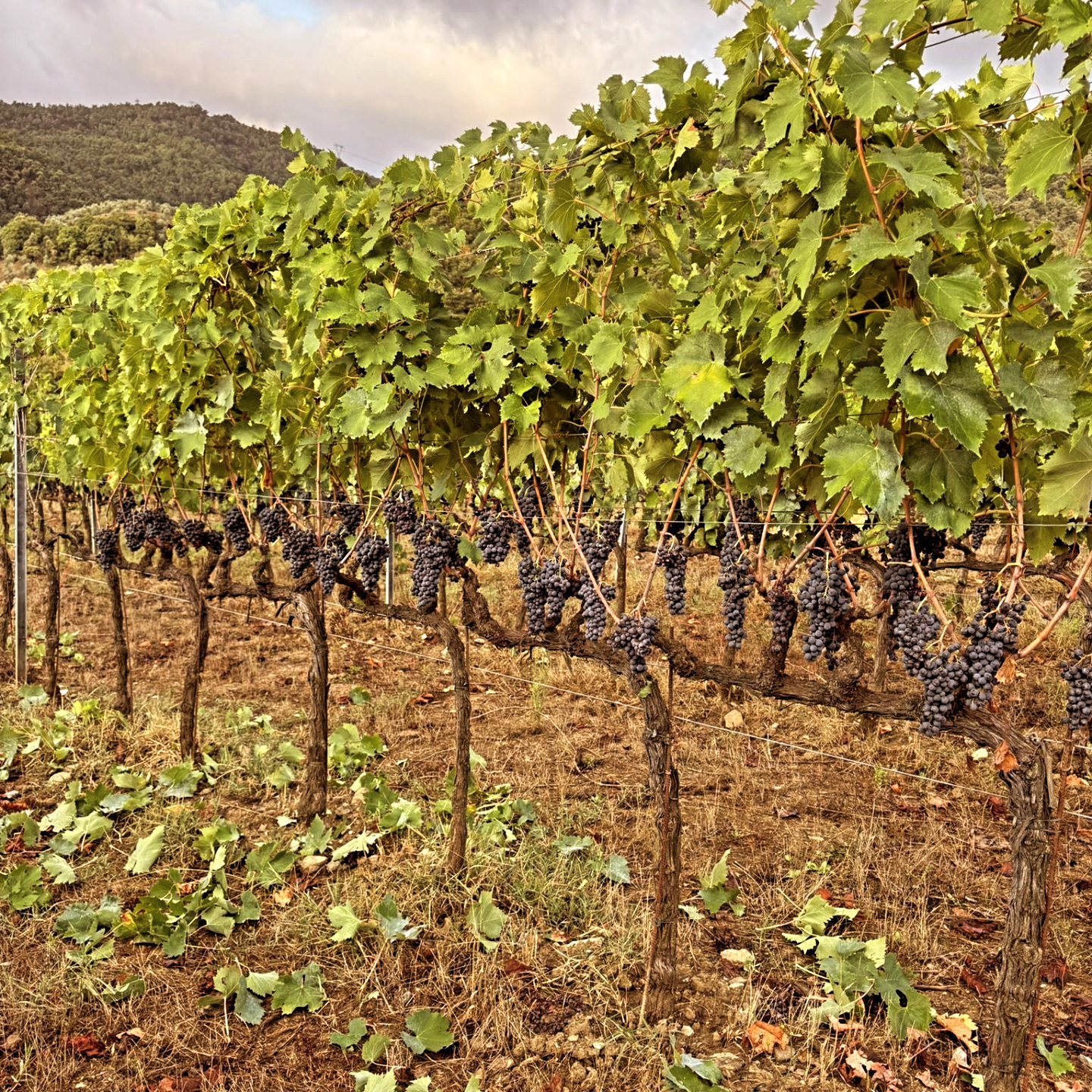
The production area of Carmignano is restricted to a compact, hilly strip of approximately 135 hectares, situated at an elevation between 250 and 400 meters. The enclave is protected by the Montalbano ridge, creating a unique microclimate. The area benefits from airy, bright days and significant temperature fluctuations between day and night, which are essential for developing the complex, extractive substances that define the region’s signature reds.
The landscape is divided into two distinct macro-areas, each imparting its own fingerprint on the wine:
The Clay-Alluvial Zone: Often compared to the “Right Bank” of Bordeaux, this area features clay soils covered in alluvial pebbles, producing wines with deep structure and elegance.
The Limestone Zone: More evocative of the Chianti Classico hills, this area features barren, stony soils resting on a compact limestone bedrock, resulting in wines with a sharp, mineral-driven acidity and longevity.
Even today, young, ambitious wineries are pushing the boundaries of what these hills can produce. In the last five years, several new estates have risen to prominence, demonstrating an extraordinary ability to express this diverse terroir.
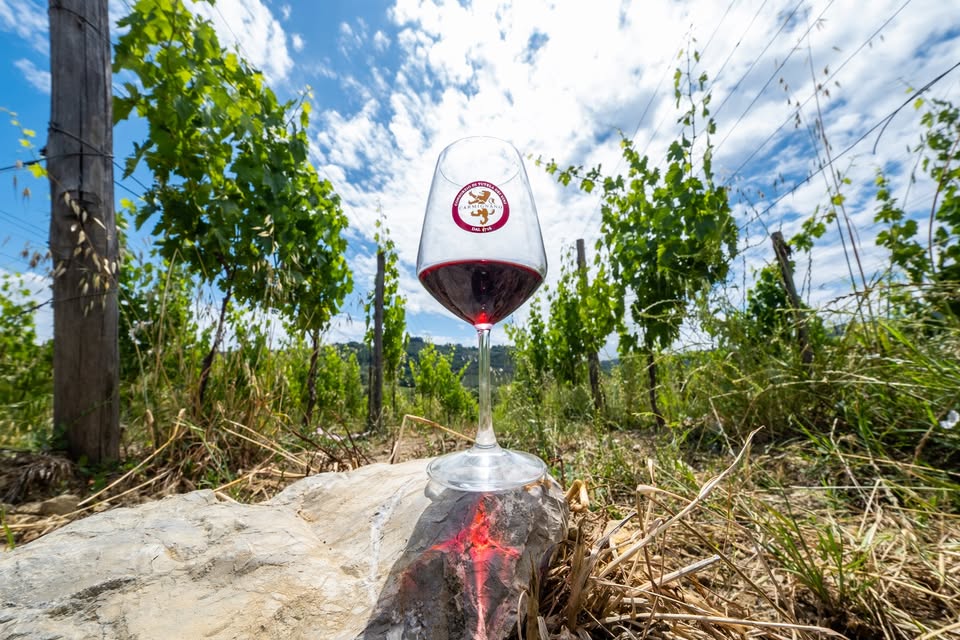
Visiting a vineyard in Carmignano today is a sensory journey through time. As you look out over the sun-drenched hills towards the Arno Valley, you are standing on the same ground where Etruscan farmers tended their vines and Roman legions toasted their triumphs.
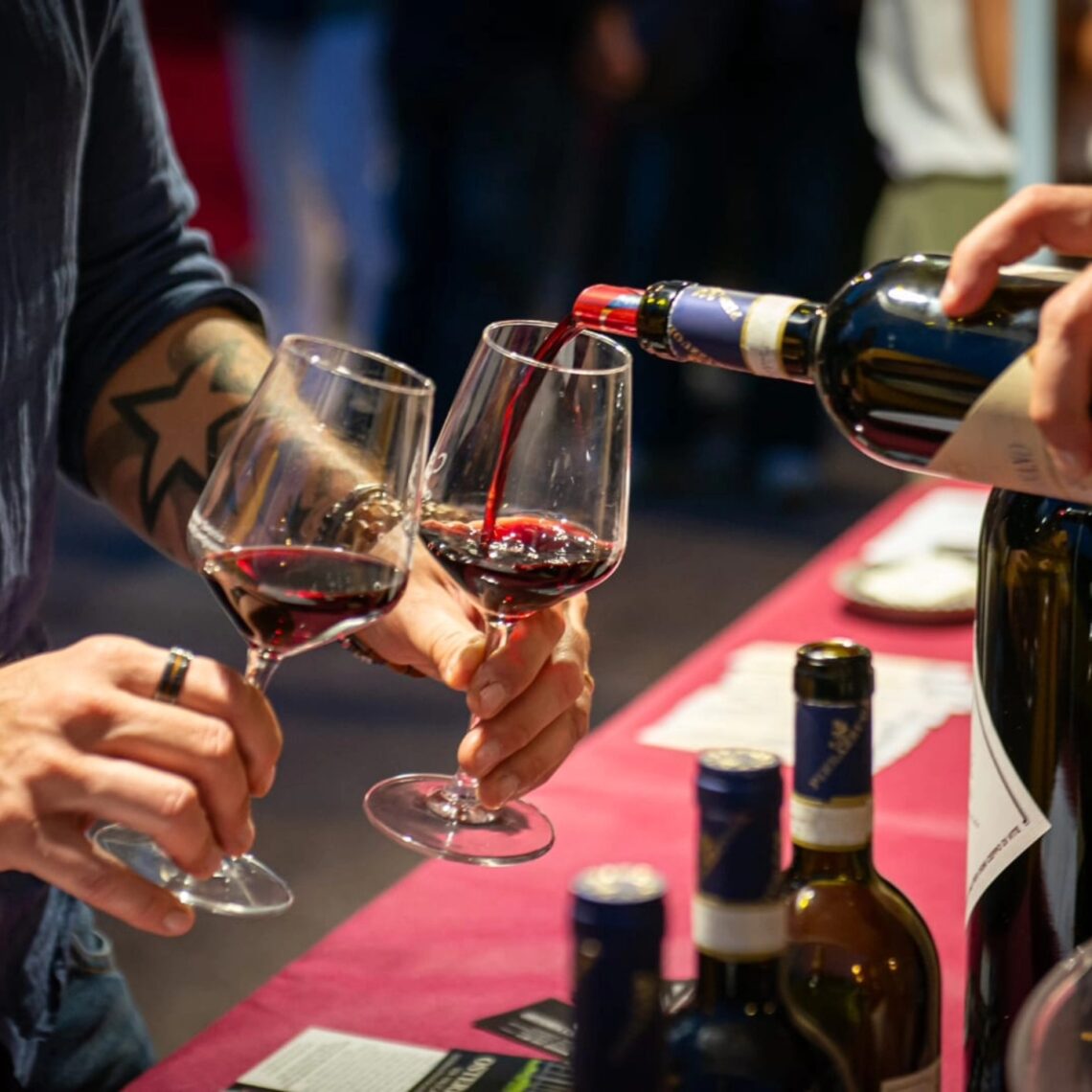
The wine that ends up in the glass is a reflection of this history—an intense, structured, yet harmonious liquid that is capable of evolving in the bottle for decades. It is more than just a beverage; it is 1,200 years of agricultural evolution.
For those who travel to Tuscany seeking the heart of its culture, a glass of Carmignano is the ultimate destination. It is the taste of a region that has remained steadfast in its commitment to quality.