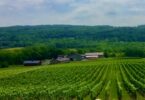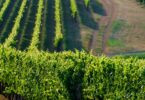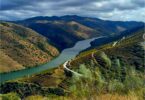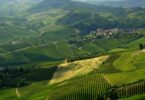

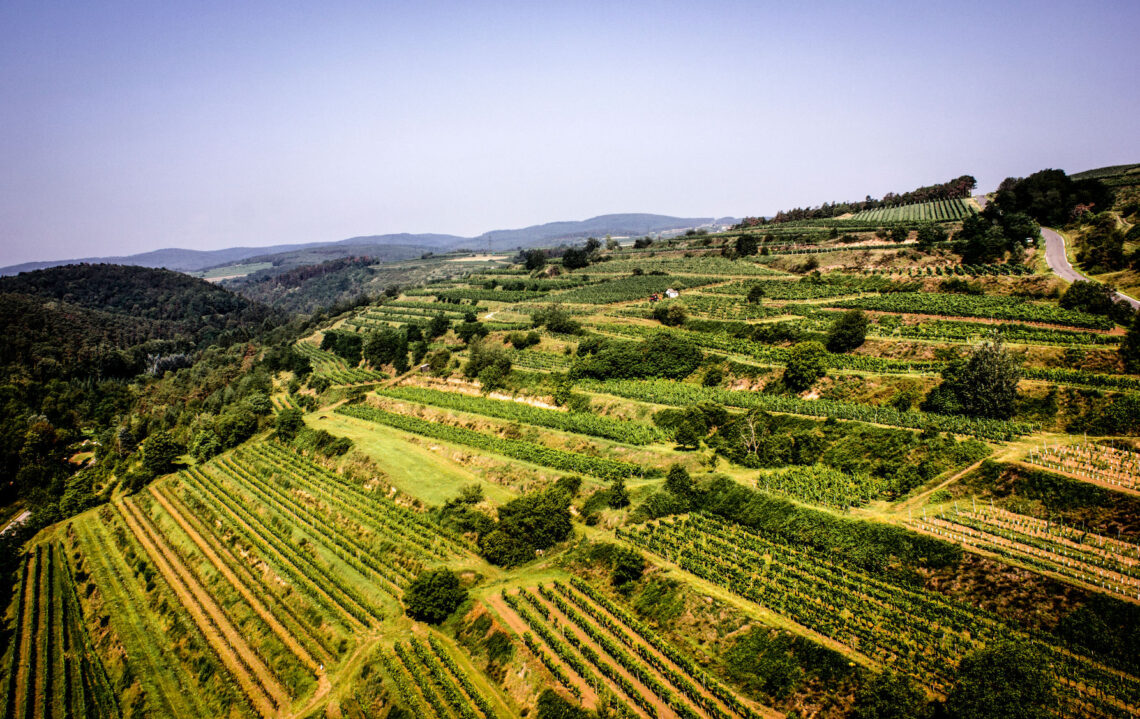

While human craftsmanship plays a vital role in the cellar, the stylistic expression of a wine is influenced chiefly by the climate and the constitution of the soil. It is the winegrowing region that largely dictates character, whispering of ancient stones, river breezes, and the seasonal rhythm of the land.
In Austria’s Kamptal, this philosophy is a rigorous standard. Here, the distinct flavor of the region arrives in the glass most impressively via its two preeminent grape varieties: Grüner Veltliner and Riesling. Recognizing this symbiotic relationship between grape, soil, and climate, winemakers established a controlled designation of origin that protects and celebrates this identity: Kamptal DAC.
Origins Are Important: The Meaning of DAC
DAC stands for Districtus Austriae Controllatus, which translates to “controlled Austrian origin.” Applied to a specific winegrowing region, the acronym articulates a clear and uncompromising commitment by Kamptal winegrowers to regional typicity.
With this designation, the Kamptal aligns itself with the traditions of prominent wineproducing nations like Italy (DOC), France (AOC), and Spain (DO). Under these internationally recognized systems of appellation, a wine may only be named after its region of origin if it genuinely tastes like it comes from there. It must bear the unmistakable thumbprint of its birthplace.
To reflect this philosophy, the Kamptal DAC system is structured around a clear, three-tier pyramid of origins: region, village, and vineyard.
Level 1: Regional Wine (Kamptal). On the first tier, wine lovers experience the broad diversity of the Kamptal as a whole. These bottles, simply labeled Kamptal, capture the dynamic interplay of the region’s climate and varied soils.
Level 2: Village Wine (Ortswein). The second step reflects the time-honored tradition of local viticulture. An Ortswein bears the name of a specific municipality,such as Langenlois—highlighting the collective character of a village’s surrounding slopes.
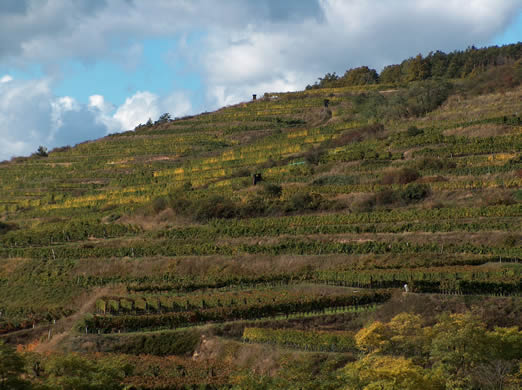
Level 3: Single-Vineyard Wine (Riedenwein). Forming the expressive peak of the Kamptal DAC pyramid are the single-vineyard wines. These bottles bear the names of historic, highly specific sites,such as Heiligenstein, Lamm, Steinhaus, Steinmassl, Loiserberg, Schenkenbichl, Hasel, or Käferberg.
Tasting through these single-vineyard wines reveals that this nomenclature is far more than a mapmaker’s tool; it is a precise definition of the individual “flavor of origin.”
© Ph. Kamptal DAC
How Does the Kamptal Taste?
The character of Kamptal wine is inextricably linked to its two flagship grapes, each expressing the landscape in a distinct dialect.
Grüner Veltliner Kamptal DAC is celebrated for being fruity and finely spiced. In the Kamptal, Austria’s most popular grape variety plays its full range of variants. It spans from uncomplicated, light, and refreshing pours all the way to “classically opulent” expressions found within the “Reserve” category.
Riesling Kamptal DAC, on the other hand, is fragrant, aromatic, elegant, and mineral-driven. Notably absent from authentic Kamptal Riesling are botrytis dominance or heavy, woody notes. Instead, Rieslings belonging to the DAC Reserve category exhibit a pronounced territorial and varietal aroma, distinguished by striking stylistics, dense structures, and a long, lingering finish.
A Landscape Carved by Water and Stone
To understand these flavors, one must look to the geography of the region. Springing from the heart of the Waldviertel, the Kamp River carves a gorge-like valley into the highlands of the Bohemian Massif on its journey toward the Danube. Dominated by granite and gneiss soils, the upper course of the river is wild and untamed.
As it flows southward, however, the river changes character substantially. No longer quite as wild, it becomes more disciplined and flows calmly toward its outlet at the Danube. And just as the river transforms, the landscape shifts in tandem. The valley gradually widens with more branches, the hilly landscape gives way to plains, and dense forests cede ground to rolling oceans of vines.
Here, in this transition zone, we find the Kamptal winegrowing region.
Warm and Cool: The Ideal Climate
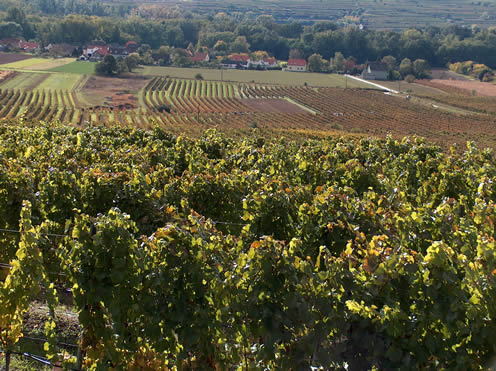
The climate of the Kamptal creates an almost mythical environment for viticulture. It is a place of dramatic meteorological dialogue: the dry, hot Pannonian climate, which flows in through the Danube River Valley from the east, constantly mingles with the raw, cool air rushing down from the Waldviertel region to the northwest.
Situated at an elevation of roughly 200 to 300 meters, the valley experiences hot days and cool nights during the summer, paired with long, sun-drenched stretches well into the autumn. These diurnal temperature swings—warm days building ripe, luscious fruit flavors, and cool nights preserving bracing acidity and aromatic freshness—provide the absolute ideal conditions for growing vines and crafting world-class wine.
© Ph. Kamptal DAC
Diversity in the Subsoil
Beneath the vines lies a geological tapestry that explains the remarkable variety found within Kamptal bottles.
On the one hand, there is Gföhler gneiss, known locally as Urgestein (primeval rock). The dramatic hills of the Kamptal are formed from this ancient stone. Resting atop it is cambisol, or brown earth, which can range from a generous meter deep to a meager twenty centimeters on wind-swept ridges.
On the other hand, much of the landscape is blessed with loess-an airborne, powdery dust blown into the Kamptal during the Ice Age, which has since compacted into deeply fertile, mineral-rich soil. Finally, along the immediate banks of the Kamp, rich clay soils have formed, offering yet another distinct canvas for the vine roots.
Beyond Still Wine: The Rise of Kamptal Winzersekt
While the Kamptal is internationally renowned as a happy hunting ground for monumental still wines, it also holds another distinction: it is the stronghold of sparkling wine (Sekt) in Austria.
More than thirty years ago, a dedicated handful of top Kamptal winegrowers began an audacious experiment. They took their light base wines and began refining them into sparkling wine using the traditional in-the-bottle method (méthode traditionnelle). The process required mixing the base wine with sugar and yeast, bottling it, allowing a secondary fermentation to take place, and then giving the bottles time to mature on the lees in cool, quiet cellars.
The results astonished international wine experts and connoisseurs alike. More importantly, it ignited a movement that swept across Austria, sparking a revolution known as Winzersekt (grower sparkling wine).
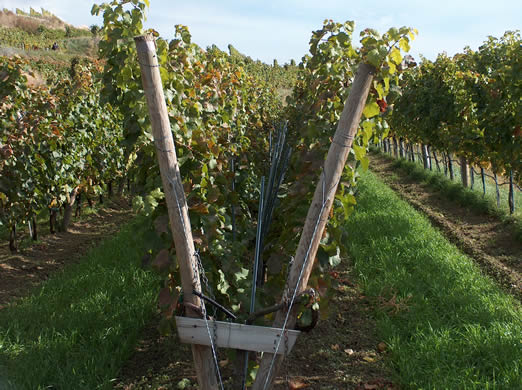
Intriguingly, in the Kamptal, one will search in long and hard for dedicated “sparkling wine producers” or separate “sparkling wine vineyards.” The best Sekt here still comes from the exact same estates renowned for the high quality of their still wines, harvested from the very same vineyards.
© Ph. Kamptal DAC
The secret lies in the timing of the harvest. Grapes destined for Sekt production are picked earlier than those destined for still wines-just when acidity and maturity strike a precise balance. At this stage, ripeness is not overly advanced but is entirely satisfying, while the acidity remains wonderfully fresh yet stripped of any aggressive edge.
One of the great characteristics of Kamptal Winzersekt is its enormous variety. Alongside classic white sparkling cuvées and popular rosés, the palette extends to elegant vintage cuvées, monovarietal sparkling wines, and rare single-vineyard Sekts (Rieden-Sekt).