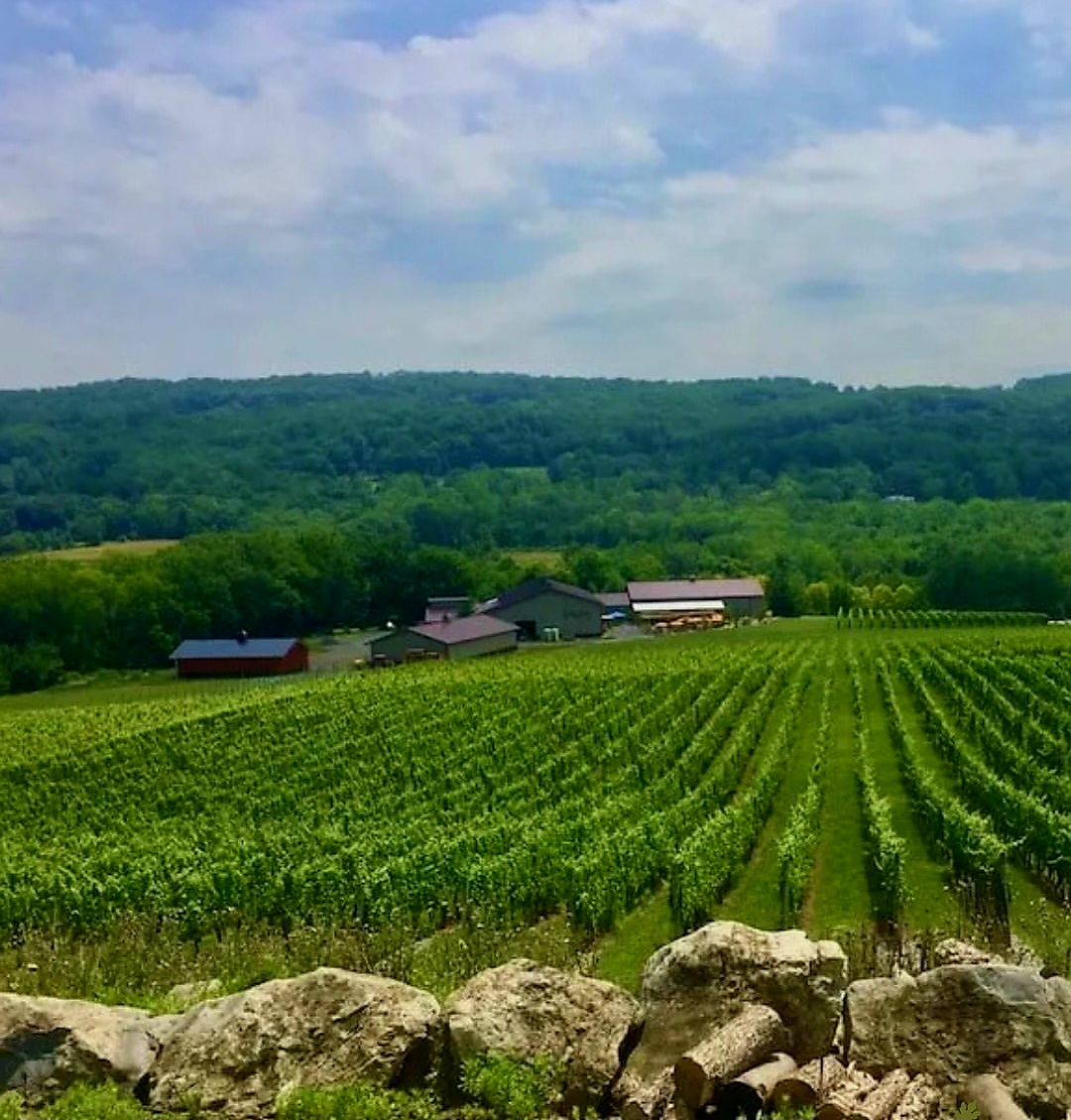

The story of the Garden State’s wine industry began in 1758, when Great Britain’s Royal Society offered a modest £100 prize to any American colonist who could produce red or white wine “of acceptable quality”—meaning it had to match the caliber of the wines imported from France. When no one initially stepped up to the plate, the Society doubled the bounty to £200. That caught the attention of two ambitious New Jersey residents, William Alexander and Edward Antill.
Their efforts succeeded, earning the approval of a Royal Society committee and officially planting the seeds for New Jersey’s wine industry. More than 250 years later, those seeds have blossomed into a thriving, critically acclaimed agricultural powerhouse that is rapidly establishing the state as a premier wine region in the Mid-Atlantic.
© Ph. New Jersey Wines
A Century of Peaks and Valleys
New Jersey wine experienced its first major boom in the late 19th and early 20th centuries. Master Vintner Louis Nicholas Renault, a representative of the ancient champagne house of the Duke of Montebello in Rheims, France, arrived in the state and established a vineyard. In 1864, he purchased land in the Egg Harbor area, introducing his signature New Jersey Champagne by 1870. The Renault Winery quickly gained international notoriety, capturing prizes for its output and eventually becoming the largest distributor of champagne in the United States. Renault’s immense success earned the Egg Harbor region the proud moniker of “Wine City.”
However, the golden age proved fragile. The devastation of the phylloxera louse-which ravaged vineyards across the United States—coupled with the crippling blow of Prohibition (1919–1933), brought the industry to a near standstill.
Recovery was further stifled by restrictive New Jersey legislation that permitted only one winery license for every one million state residents. It wasn’t until 1981, with the passage of the New Jersey Farm Winery Act, that these regulatory roadblocks were removed. Small growers were finally permitted to open new wineries, and as economic viability returned, vineyards began taking root across every corner of the state through the mid-1980s and 1990s.
Grassroots organizations soon followed. The Hunterdon Grape Growers and South Jersey Wine Growers, both formed in 1985, merged in 1987 to create the New Jersey Grape Growers Association-the precursor to today’s Garden State Wine Growers Association, which now boasts a membership of over 50 wineries, vineyards, and affiliated companies.
© Ph. New Jersey Wines
The Modern Renaissance and the “Judgment of Princeton”
Since 2000, the New Jersey wine industry has experienced exponential growth, anchored by four federally designated American Viticultural Areas (AVAs): the Cape May Peninsula, Warren Hills, the Central Delaware Valley, and the Outer Coastal Plain.
A watershed moment for the state’s reputation arrived in June 2012, echoing the historic “Judgment of Paris” from 1976. Organized by the American Association of Wine Economists (AAWE) at Princeton University, the “Judgment of Princeton” was a blind taste test pitting leading New Jersey wines against top-tier French selections—five from Burgundy and five from Bordeaux.
The results stunned the wine world: three New Jersey Chardonnays landed among the top four spots against elite White Burgundies, while New Jersey red blends proved fiercely competitive with first-growth Bordeaux. The blind tasting made national headlines and served as undeniable proof that the state’s wines could stand shoulder-to-shoulder with the Old World.
Diversity in the Vineyard
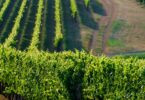
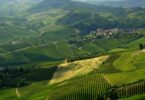
What truly distinguishes New Jersey’s wine industry is its remarkable diversity. Because of the state’s varied microclimates, topography, and soil compositions, New Jersey will never be defined by a single varietal. Instead, much like its population, the state offers a rich tapestry of wines tailored to every palate.
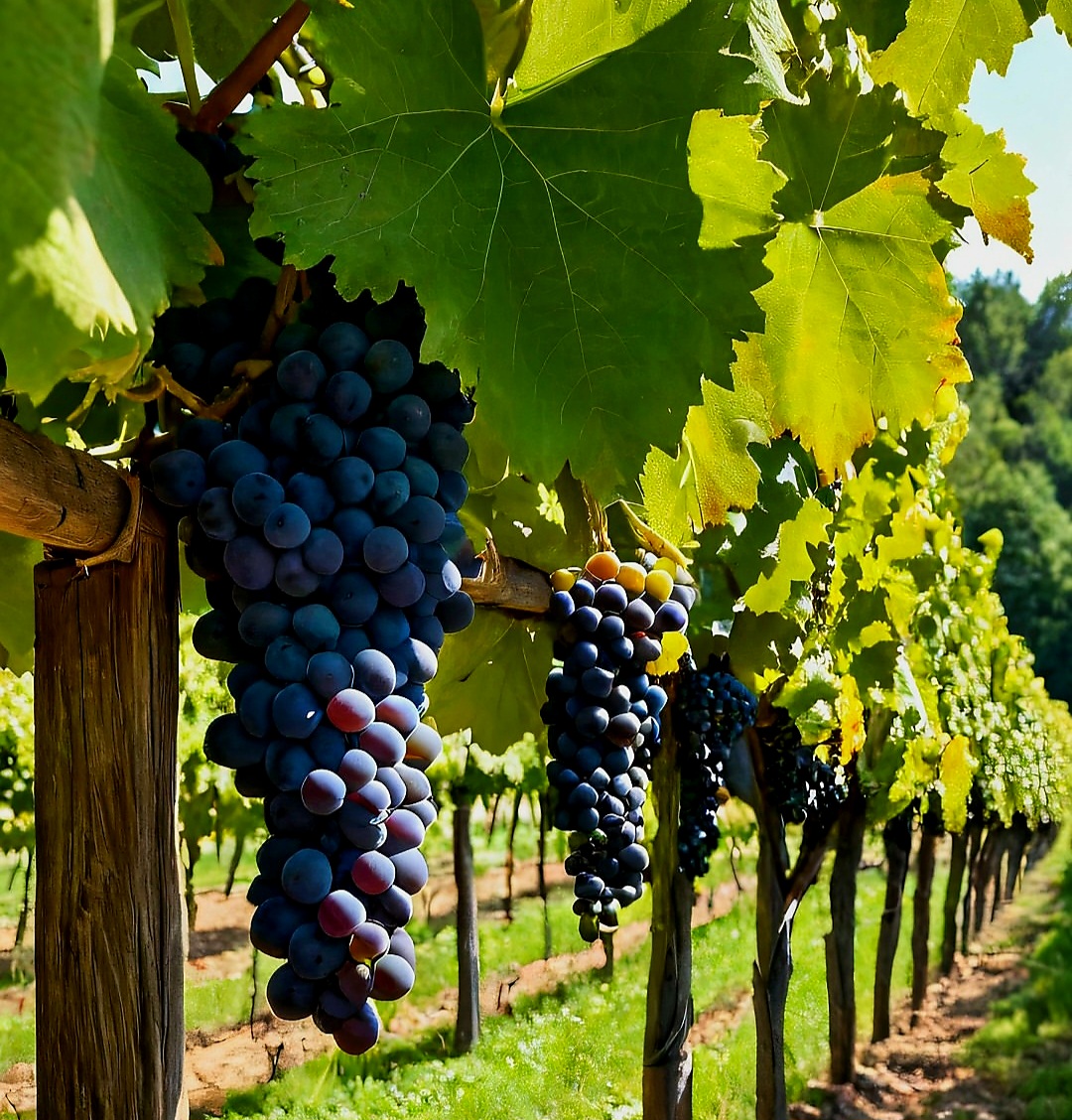
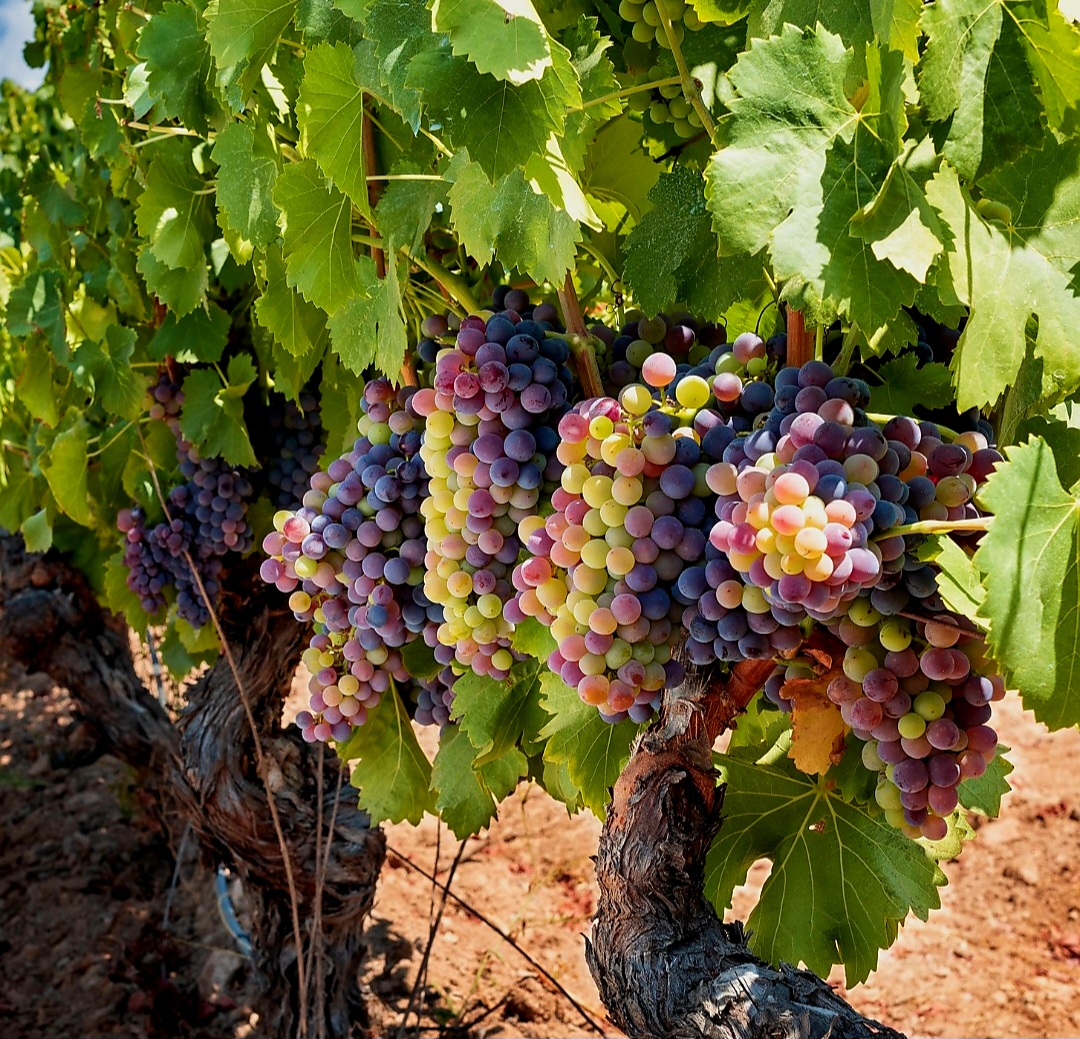
Vintners specialize in Vitis vinifera, Vitis labrusca, and French hybrid grape varietals. Leading white grapes include Albariño, Chardonnay, Grüner Veltliner, Petit Manseng, and Riesling, while top reds feature Cabernet Franc, Cabernet Sauvignon, Pinot Noir, Merlot, Petit Verdot, and Blaufränkisch. Prominent French-American hybrids like Chambourcin, Vidal Blanc, and Vignoles also flourish across the state.
This agricultural variety is mirrored in New Jersey’s four distinct AVAs:
- The Outer Coastal Plain AVA: Covering over 2.25 million acres across nine southern counties, this region features mostly flat terrain with well-drained sandy loam soil, tempered by maritime influences from the Atlantic Ocean and Delaware Bay.
- The Cape May Peninsula: Operating as a sub-appellation of the Outer Coastal Plain, this region is bordered entirely by water and the Pinelands National Reserve. It boasts the highest number of frost-free days and the longest growing season in the state.
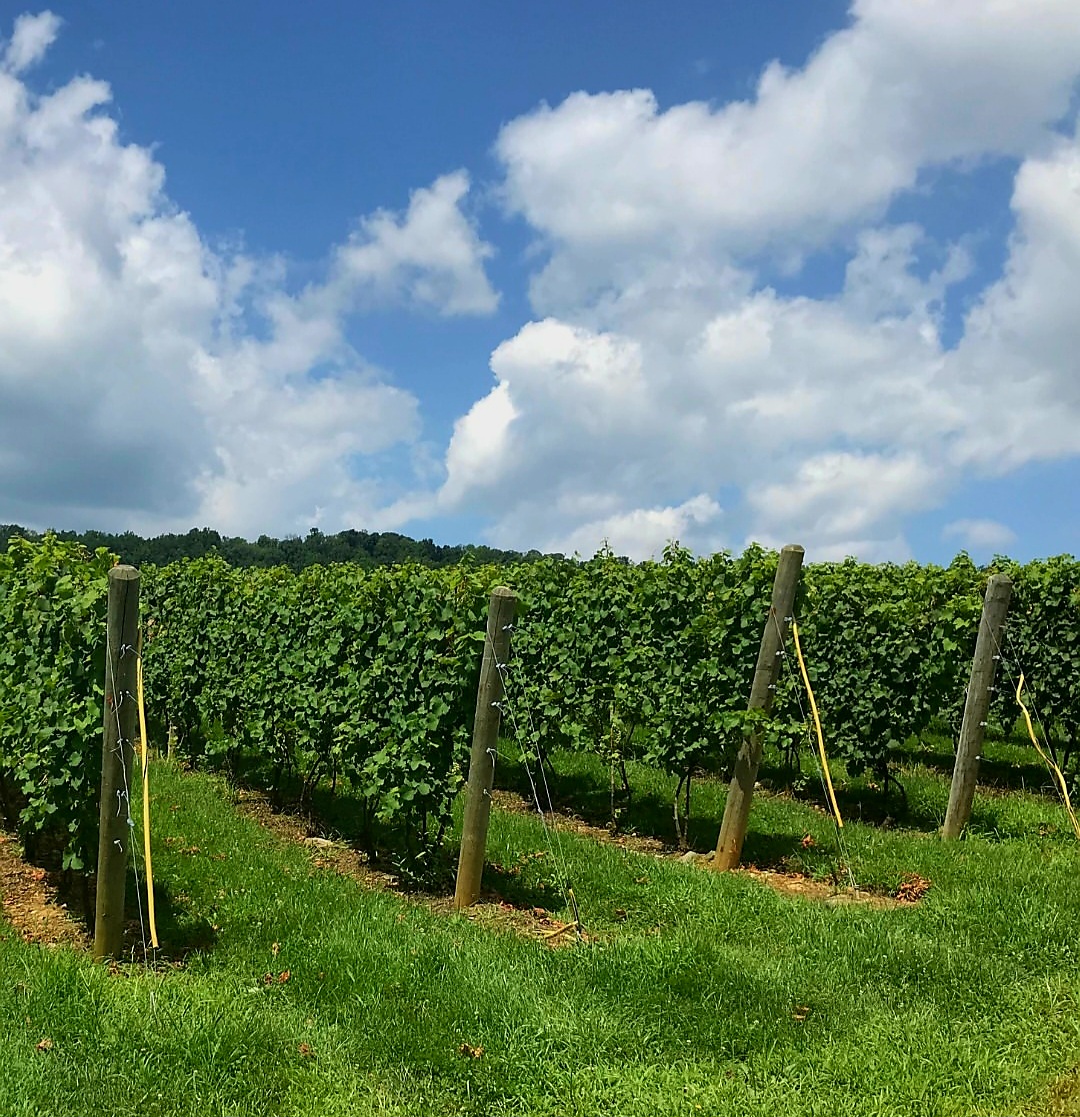
- Warren Hills AVA: Spanning 182,000 acres in the state’s western region from the Delaware River to the Kittatinny Mountains, Warren Hills features sandy loam over sedimentary bedrock. While French-American hybrids dominate, winemakers successfully cultivate vinifera grapes on the region’s sun-drenched, south-facing slopes.
- The Central Delaware Valley AVA: Shared with portions of eastern Pennsylvania, this region offers rolling hills and fertile soils ideal for a wide range of European and hybrid varietals.
-
© Ph. New Jersey Wines
With more than 50 wineries currently open and additional vineyards slated to open their doors in the coming years, New Jersey has shed its historical growing pains. From a modest £100 colonial wager to a modern-day renaissance of world-class vintages, the Garden State has firmly cemented its place on the national and international wine maps.