

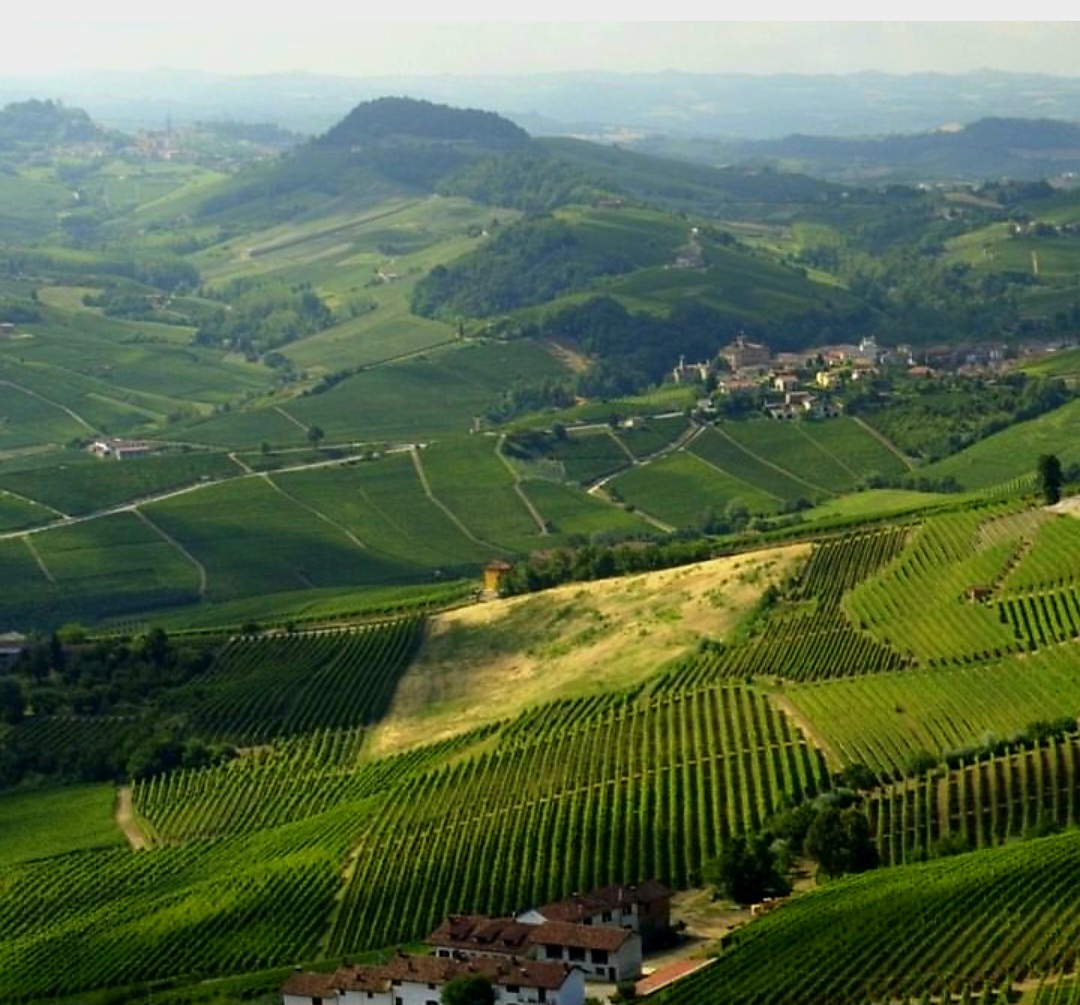

Beyond the globally celebrated heavyweights of Piedmontese viticulture lie the hidden contours of the Province of Turin. Stretching from the dramatic alpine heights of the Susa Valley down to Pinerolo in the west, rippling across the sun-drenched Collina Torinese to the east, sweeping north through the sprawling Canavese, and embracing the metropolitan capital to the south, this is a land of vast environmental and geographic importance. It is a territory steeped in an ancient wine-making tradition, displaying and preserving a remarkably prestigious enological distinctiveness.
It is an extensive and varied area of production that proudly shelters seven origin designations, giving rise to an astonishing 334 different types of wines.
The enological story of the Turin province is written in chapters of history and protected origins. Among its proudest boasts are the “historic” DOCs, anchored by the legendary Caluso classification. Established in 1967, this northern expanse gifted the world the Erbaluce di Caluso, whether still, sparkling (Spumante), or lusciously sweet (Passito), alongside the northern sentinel of Carema. To the east, overlooking the vibrant city of Turin, the Freisa of Chieri earned its well-deserved DOC status in 1973, offering wine lovers its signature dry and amiable flavors.
These venerable pillars have been joined over the decades by a constellation of newer, equally vibrant designations. The Canavese DOCs arrived in 1996, encompassing versatile Reds, Rosés, Whites, Nebbiolo, and Barbera. The same year, the Pinerolo area carved out its own rich identity with a DOC covering Reds, Rosés, Barbera, Bonarda, Dolcetto, Freisa, the charmingly named Doux d’Henry, and the rare Ramìe. Just a year later, in 1997, the rugged and historic Susa Valley earned the Valsusa designation, swiftly followed in 1999 by the Collina Torinese DOC, which celebrates Reds, Barbera, Bonarda, Malvasia, Cari, and Pelaverga. Completing this elite tier of recognition, the crown jewel of northern whites, Erbaluce di Caluso, was elevated to prestigious DOCG status in 2010.

What makes the wines of the Turin province truly extraordinary is their provenance. The vast majority of production relies upon indigenous grapes, frequently cultivated in what modern agriculture might dismiss as marginalized areas. Yet, rather than hindering quality, these challenging environments have birthed a viticulture of the highest caliber.
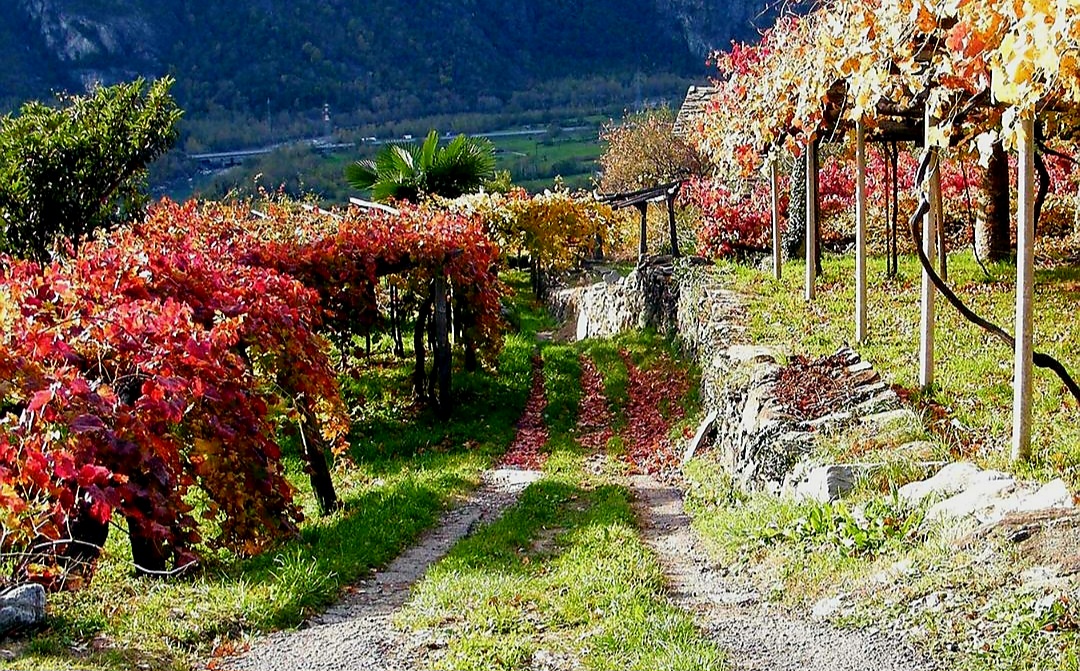
Take, for instance, the breath-taking terraced vineyards of Carema, clinging desperately to steep alpine slopes, or the vertigo-inducing parcels of the Susa Valley, alongside hidden pockets in the Pinerolo and Canavese regions. From an environmental perspective, these locations are genuine scenic “pearls.” They are living museums where one can witness the physical remnants of backbreaking human labor and the ingenious structural mastery of generations past—stone walls, steep stone stairways, and ancient pergola systems crafted in landscapes where farming seems almost an act of defiance.
This is a challenging and fascinating environment. High-quality wines have always been produced here through sheer skill, unrelenting effort, and fierce passion. They are the truest expression of a demanding land that continually rewards its stewards with valuable and admirable results. To discover these wines is not merely to taste a beverage; it is an irresistible invitation to explore the valleys and hills of this unique corner of Piedmont, to appreciate the raw authenticity of its products, and to actively preserve the historical memory of the land.
To truly understand the depth of Turin’s wine culture, one must look backward in time as well as forward. In 1887, the visionary Count Rovasenda detailed the complex and diverse panorama of the Pinerolo area in his seminal Essay on Universal Ampelography. That same year, Rovasenda championed an ambitious Ampelographic Exhibition in Pinerolo, where an astonishing 628 specimens of grapes were exhibited. Remarkably, 333 of those specimens were described as indigenous or of entirely unknown origin.
While the creeping tide of genetic erosion over the past century has undeniably diminished that vast historical wealth, the number of grape varieties surviving in this territory remains remarkably notable. Some of these grapes possess proven agronomic and enological value, while the true potential of countless others remains tantalizingly unknown—waiting to be unlocked.
Fortunately, this rich biological heritage has not been left to fend for itself. For decades, tireless research conducted by the University of Turin and the National Research Council (CNR) has breathed new life into the region’s ampelography. Their dedicated work has made it possible to accurately identify forgotten grape varieties, investigate their enological aptitudes, and map their genetic relationships with more globally recognized vines.
A shining example of this scientific and cultural renaissance is the rediscovery of the Baratuciat grape. At the turn of the 21st century, this ancient variety was scattered across only a few neglected plots of land in the Susa Valley. Thanks to dedicated research highlighting its exceptional enological qualities, local producers were inspired to replant and champion the variety, turning a near-extinction into a modern success story.
Simultaneously, the continuous conservation efforts spearheaded by the Region of Piedmont—alongside specialized institutions such as the Ampelographic Collection in Grinzano Cavour, the Arnaldi Malva School in Bibiana, and the Turin Bonafous Institute in their respective collection-vineyards—play an indispensable role. These vital “germoplasma” banks act as arks for biodiversity, safeguarding a precious genetic capital that could prove vital for the future of viticulture, especially in an era of shifting global climates.
The Province of Turin offers a wine experience unlike any other in Italy. By seeking out and celebrating these authentic local expressions, wine lovers become part of a tradition that keep the historical memory of the land alive.