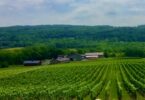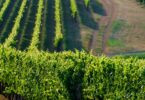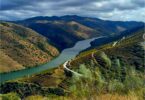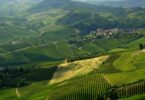

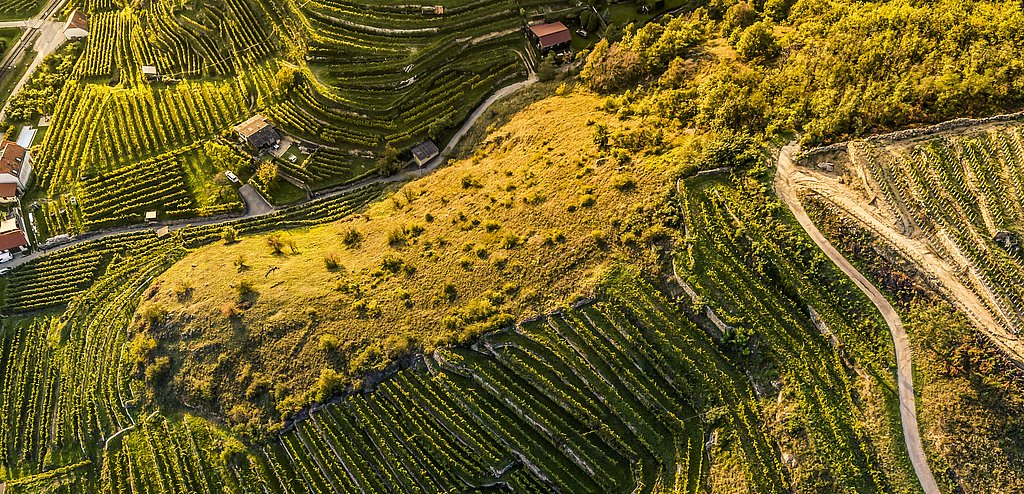

Stretching for 33 kilometers along the blue Danube between the majestic Benedictine monasteries of Melk and Göttweig lies one of the most distinctly defined and breathtaking landscapes in Europe: the Wachau. Here, where river, wine, and cultural heritage intertwine, human hands have shaped a dramatic landscape over millennia. Today, the region is embarking on a new chapter of its illustrious winemaking history with the introduction of the Wachau DAC classification, marrying ancient traditions with modern transparency.
A Legacy Etched in History
The recorded history of the Wachau is deeply rooted in the soil. Its first written mention appears in a Carolingian document dating back to 830 A.D., though the region’s winemaking tradition stretches much further back, to the era of Roman settlement. However, it was under Carolingian rule that the region’s first golden age of viticulture blossomed. By the Middle Ages, Wachau wine was already celebrated far beyond the borders of Austria, prized for a distinct quality born of a landscape unlike any other.
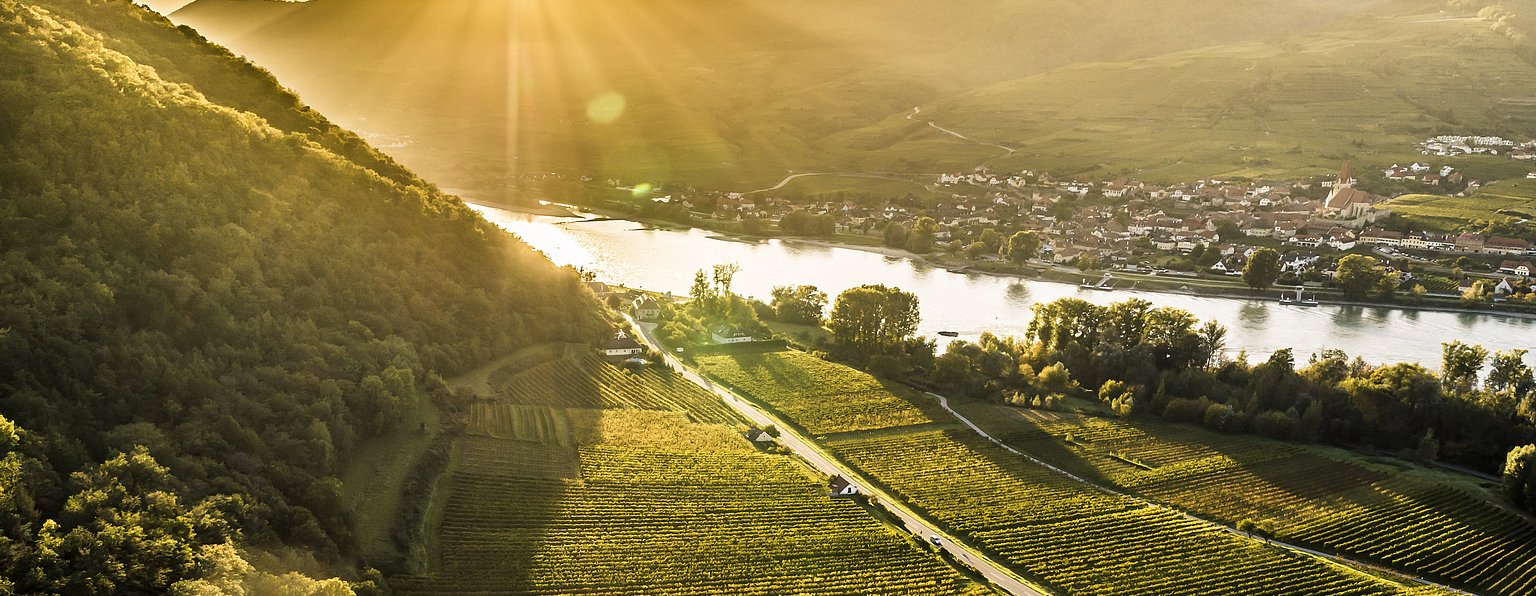
Few European landscapes possess borders as clearly defined as this specific stretch of the Danube valley. Hemmed in by nature and sculpted by human persistence, the Wachau’s history is a testament to the symbiotic relationship between agriculture and the natural world.
© Ph. Vinea-wachau.at
The Mystery of Microclimate and Soil
The Wachau is a confined space of rare beauty, distinguished from all other wine-growing regions in Europe by its dramatic topography and subtle, complex microclimate.
A unique meteorological tug-of-war defines the area. The warm, continental Pannonian climate zone extends like a tongue from the east into the Wachau. Simultaneously, cool and oxygen-rich air masses flow down from the heights of the Dunkelsteiner Forest south of the Danube and the Waldviertel in the north. This cool air plunges through small, forested stone valleys known locally as the Wachauer Gräben.
The resulting continuous air circulation dramatically influences the aromatic development of the grapes. Combined with the region’s meager primary rock soils, this airflow yields wines of extraordinary character.
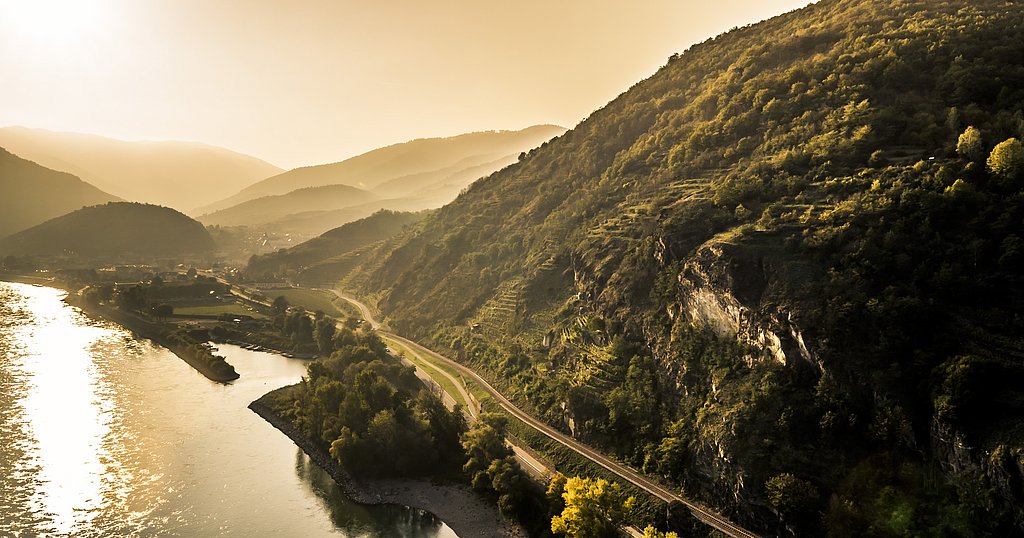
The soils themselves represent the “second mystery” of the Wachau. Weathered primary rock,including gneiss, silicate, and rock brown earth, enriches the steep mountain terraces. Lower down, these formations are partially covered with deposits of loess, evolving into light, sandy soils.
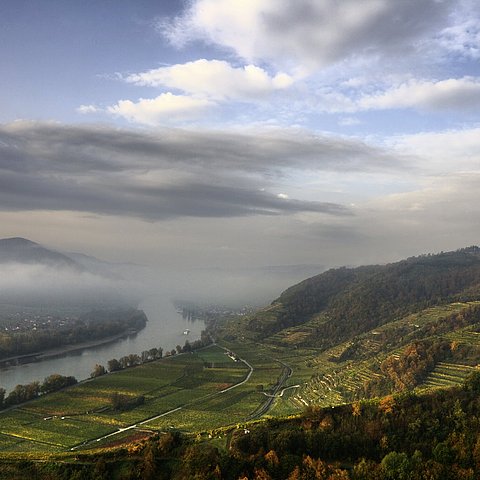
Vines thrive on terraces reaching up to 450 meters above sea level, towering some 250 meters above the Danube. Despite yielding modest fruit per vine, these mountain sites have propelled Wachau wines to global fame. They achieve a rare trifecta in winemaking: special charm, intense flavor, and crystal-clear grape aromas.
The Wachau DAC: A New Era of Origin
Enhanced transparency, clearer consumer information, and an unwavering commitment to origin are the driving forces behind the Wachau’s new DAC (Districtus Austriae Controllatus) classification. This new designation serves as a reliable guide for wine enthusiasts, complementing the region’s globally recognized Vinea Wachau brand tiers: Steinfeder, Federspiel, and Smaragd.
Under the new system, Wachau wines are categorized into a rigid pyramid of quality and provenance:
- Gebietswein (Regional Wines): Reflecting the broad diversity of the Wachau, these wines can be made from any of the 17 typical regional grape varieties. Grapes may be sourced from anywhere within the Wachau, giving winemakers greater stylistic freedom—including the use of new barrique casks for maturation.
- Ortswein (Local Wines):Stepping up in specificity, the grapes for these wines must originate from a single town or village. Labels bear the name of one of 22 specific registered communities. Only highly typical regional varieties—such as Grüner Veltliner, Riesling, Weißer Burgunder, Grauer Burgunder, Chardonnay, Neuburger, Muskateller, Sauvignon Blanc, and Traminer,are permitted, and the wines are matured without any perceptible oak influence.
- Riedenwein (Vineyard Wines): The pinnacle of the pyramid, these wines are made exclusively from the Wachau’s leading varieties: Grüner Veltliner and Riesling. Each wine is sourced from a single Ried (vineyard), with 157 distinct Rieden defined across the region. No oak influence or enrichment methods are permitted, allowing the pure voice of the specific terroir to shine through.
© Ph. Vinea-wachau.at
Crucially, the Wachau label remains synonymous with uncompromising handcrafting. Every single grape harvested in the Wachau must be picked by hand, even where machinery could technically be deployed. Furthermore, any bottle displaying the Wachau DAC label guarantees that the grapes were both grown and processed within the region,with limited processing permitted only in the neighboring Kremstal and Traisental regions under strict controls.
Stone on Stone: The Architecture of the Terroir
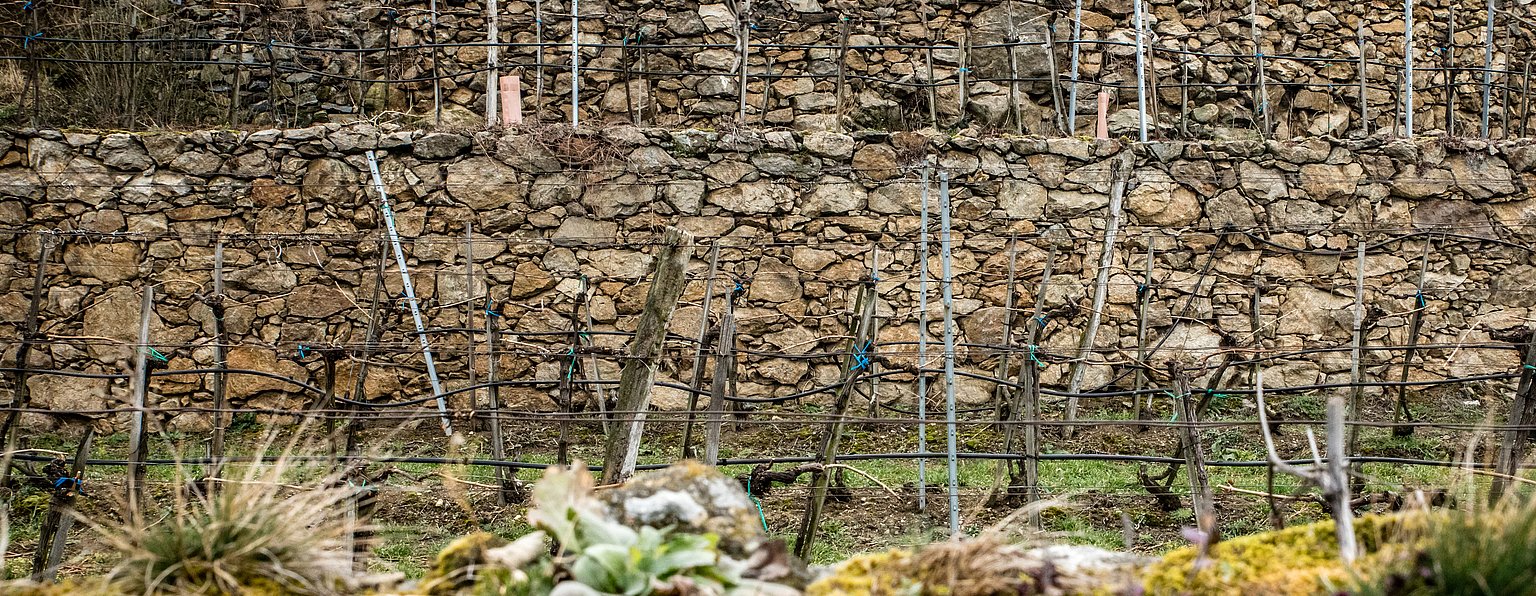
To understand Wachau wine is to understand the walls that hold it up. Over 40 percent of the region’s vineyards are planted on steep terraces supported by an astonishing 2.5 to 3 million square meters of dry stone walls.
Without these walls, viticulture would be impossible on slopes boasting gradients of up to 30 degrees, where neither human nor machine could otherwise safely work. Beyond enabling farming, the terraces prevent the erosion of the thin, fertile humus layer covering the bedrock. They act as thermal batteries, absorbing heat by day and radiating it by night, while also storing vital moisture to temper the vineyard microclimate.
© Ph. Vinea-wachau.at
Building these walls is an art form rooted in ancient techniques. No mortar or binding material is used; instead, the structures rely entirely on physics and craftsmanship. Using predominantly local paragneiss, marble, and Gföhl gneiss, skilled masons carefully select and stack stones. Smaller stones fill the gaps to lock the structure into place.
Every stone must meet strict technical criteria: it must be fissile, weather-resistant, feature a smooth surface, and ideally be sourced locally. Masons search year-round for suitable materials, often salvaging stone from caved-in structures or abandoned vineyards. The most aesthetically pleasing stones—those with a distinct “face” and a warm, greyish-brown hue—are reserved for the front row. A three-meter-tall wall requires a foundation reaching 75 centimeters underground, tapering upward as the lower courses shoulder the immense weight.
© Ph. Vinea-wachau.at
More Than the Sum of Its Parts
The dry stone walls of the Wachau are much more than agricultural infrastructure; they are the beating heart of the UNESCO World Heritage Site’s ecosystem.
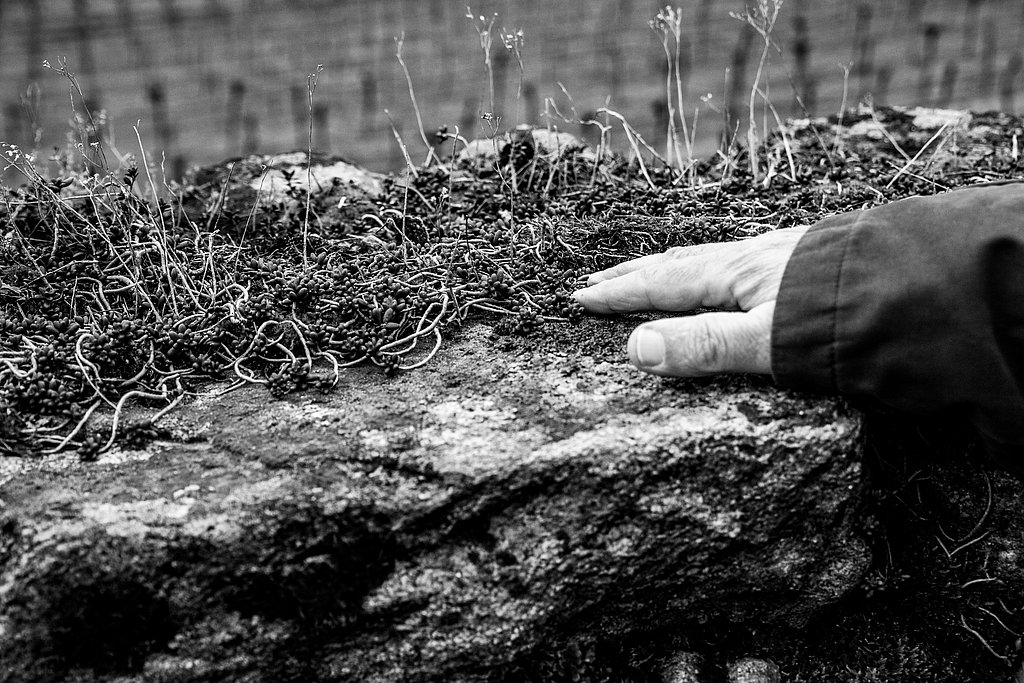
These sun-drenched stone labyrinths form Austria’s largest habitat for beneficial organisms, harboring twice as many species as the adjacent vineyards. They teem with wildlife, from slowworms and praying mantises to shrews, voles, and the iconic green lizard (Smaragdeidechse), which lends its German name to Smaragd®, Vinea Wachau’s top-tier wine classification. Wild flora like broad-leaved thyme, birdsfoot trefoil, and cypress spurge flourish in the crevices.
Beyond the walls, the diverse habitats of the Wachau support 30 different species of orchids, including the rare slipper orchid and Adriatic lizard orchid. Birdwatchers regularly spot peregrine falcons, black storks, hoopoes, and kingfishers, while the Danube and its tributaries sustain over 50 species of fish, alongside otters and beavers.
© Ph. Vinea-wachau.at
Ultimately, the Wachau is a landscape where human ingenuity and untamed nature have forged an enduring harmony. From the Carolingian monks who first recorded its bounty to the modern winemakers embracing the DAC system, every generation has added a layer to this living masterpiece. A bottle of Wachau wine,harvested by hand, shaped by primary rock and radical temperature shifts, and cradled by ancient stone walls, is an entire ecosystem captured in glass.