

Just one hour from Lyon and two hours from Paris, the Bourgogne region of France stands as a testament to a unique cultural and agricultural heritage. Easily accessible from many major European capitals, this region has long enjoyed a strategic position at the heart of the continent. Since the Middle Ages, Bourgogne has served as a vital commercial axis linking Northern Europe with the Mediterranean Basin. As the natural bridge connecting the Rhône Valley and the Paris Basin, the region is steeped in the history of ancient trading routes, a legacy that continues to resonate through its vibrant economy, tourism, and, above all, its world-renowned winemaking tradition.
Stretching 230 kilometers long, Bourgogne is a land shaped by geography and climate. Yet, the magic of its legendary vineyards is no accident of nature. It is the harmonious convergence of a rich, complex geology, a privileged climate, and the tireless, year-round labor of dedicated winegrowers who shape grapes into wines of extraordinary delicacy and distinction.
© Ph. Vins de Bourgogne
The Geological Foundation of the Terroir
The origin and composition of the region’s subsoil are remarkably diverse. This geological tapestry varies not only from one winegrowing area to another, but can change dramatically within a single village—and even within a single lieu-dit (a named plot of land).
Millennia of geological evolution have created a patchwork of limestone, marl, clay, and gravel. This rich and complex subsoil allows the vines to sink their roots deep into the earth, drawing the precise mineral nourishment they need to produce exceptional wines. Visitors and wine enthusiasts can trace this history simply by tasting a glass, experiencing firsthand how the ancient landscape continues to write the story of modern Bourgogne.
A Privileged Climate: The Confluence of Three Influences
While the soil provides the foundation, the sky dictates the rhythm. Bourgogne’s geographical position places it at the fascinating confluence of three major climatic influences: oceanic, continental, and southerly (Mediterranean). This meteorological melting pot creates a predominantly temperate climate that is exceptionally well-suited to vine cultivation.
Several key factors define the growing season in Bourgogne:
- Abundant Sunshine: Vines receive approximately 1,300 hours of sunshine between April and September. Morning sunshine, optimized by the eastern and southeastern aspects of the slopes, helps limit the risk of frost damage in the winter and spring, while ensuring optimal grape ripening in the summer.
- Moderate Summer Temperatures: Average temperatures hover around 20°C in July and August, providing a gentle warmth that prevents the grapes from over-ripening while preserving their essential acidity and aromatic freshness.
- Ideal Precipitation: Annual rainfall averages around 700mm, with precipitation falling primarily during the critical growth months of May and June to encourage healthy vine development without diluting the fruit.
- Cleansing Winds: A prevailing northerly wind sweeps through the vineyards, helping to limit humidity and protect the plots from fungal diseases.
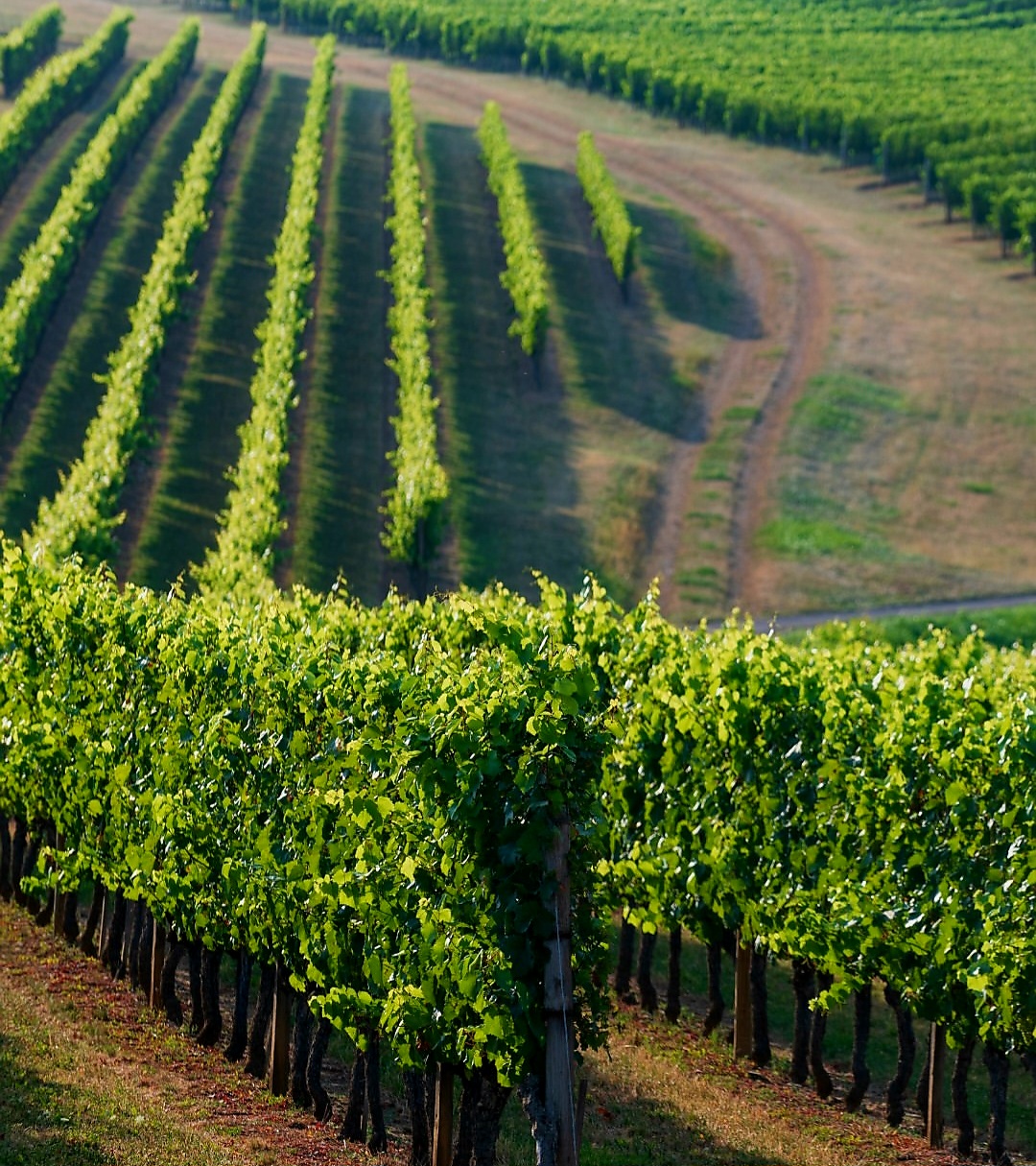
Furthermore, planting the vines on hillsides—typically between 200 and 500 meters above sea level—offers multiple advantages. It guarantees the best hours of sunshine, protects the vines from moisture-bearing westerly winds, and facilitates natural water drainage. This combination of slope, sunshine, drainage, and geology gives rise to inimitable wines of profound character.
© Ph. Vins de Bourgogne
Microclimates: From Chablis to the Mâconnais
While the region shares a general suitability for viticulture, distinct microclimates emerge at the northern and southern edges of Bourgogne, imbuing the wines with characteristic nuances.
The North: Chablis, the Grand Auxerrois, and the Châtillonnais
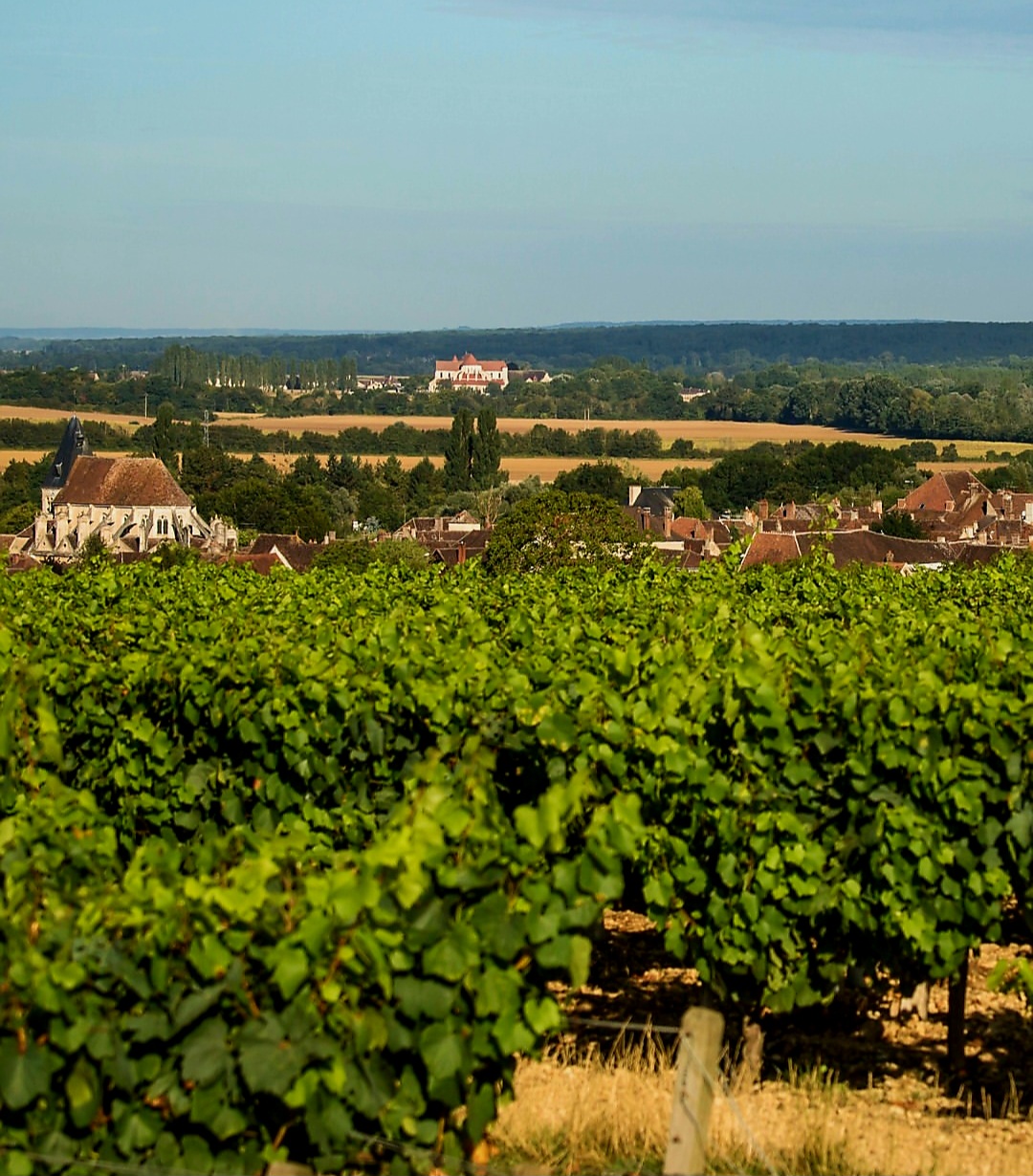
In the cooler northern reaches of the region, winegrowing areas like Chablis, the Grand Auxerrois, and the Châtillonnais experience hot, sunny summers contrasted by long, harsh winters. This semi-continental climate produces wines renowned for their crispness, purity, and striking minerality.
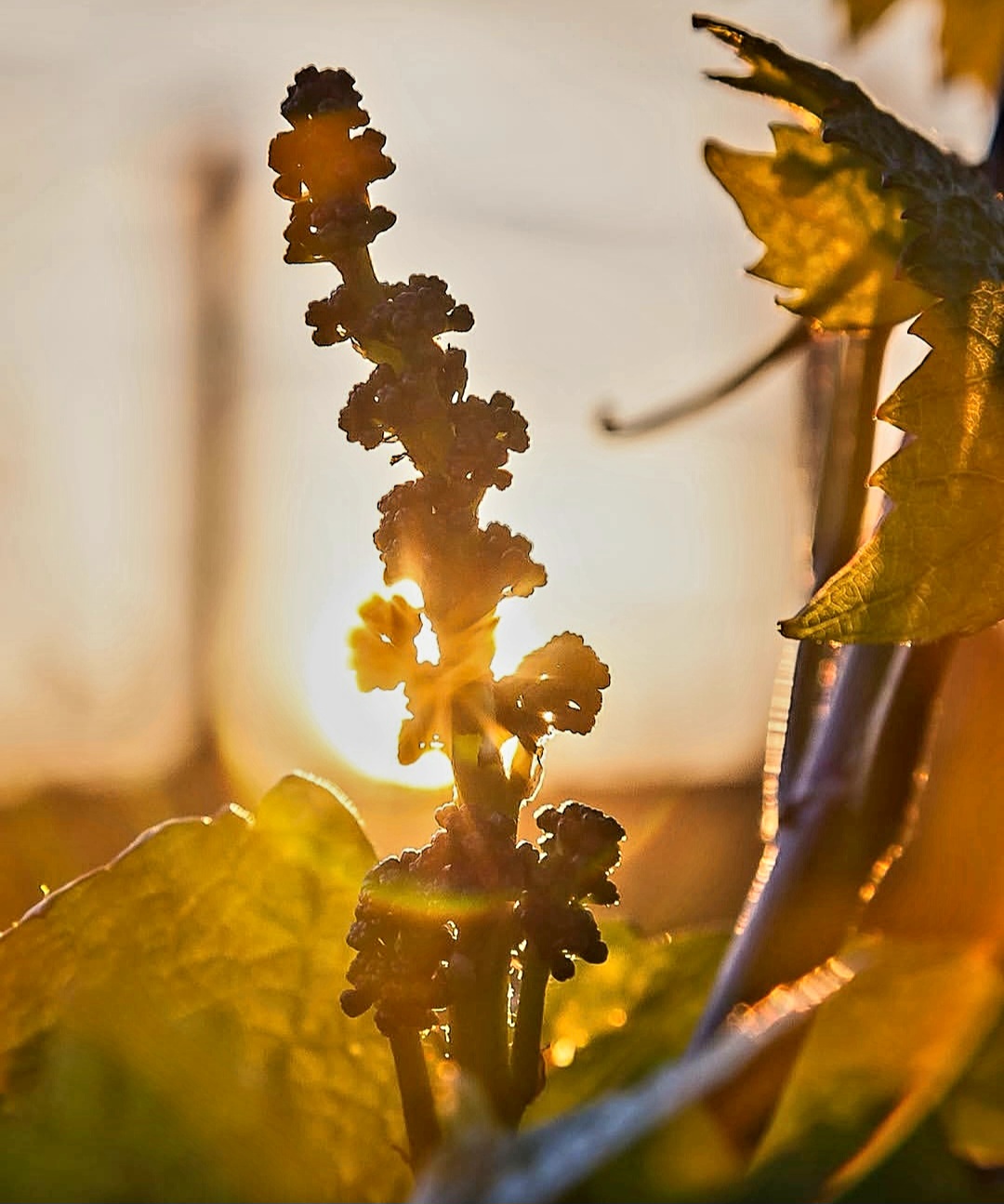
However, these cooler temperatures come with a challenge: springtime frosts. To combat this occasional threat, devoted winegrowers employ ingenious methods, such as spraying the vines with water to form a protective ice cocoon that insulates the delicate buds when temperatures plummet below freezing.
The Heart: Côte de Nuits, Côte de Beaune, and Côte Chalonnaise
Moving further south, the landscape shifts into the famed Côte de Nuits, Hautes Côtes de Nuits, Côte de Beaune, Hautes Côtes de Beaune, and Côte Chalonnaise. Bathed in brilliant light, these hills enjoy hot summers and dry autumn weather driven by continental influences. The Côte de Beaune and Côte Chalonnaise are particularly famous for their generous Indian summers, which flood the grapes with late-season sunshine.
This exceptional aspect and climate make these regions some of the few in the world capable of producing structured, age-worthy red wines (primarily Pinot Noir) at such high latitudes, alongside whites (primarily Chardonnay) of unmatched sophistication, elegance, and character. Just a bit further south, the Couchois shares these same continental influences on a smaller, more intimate scale.
The South: The Mâconnais
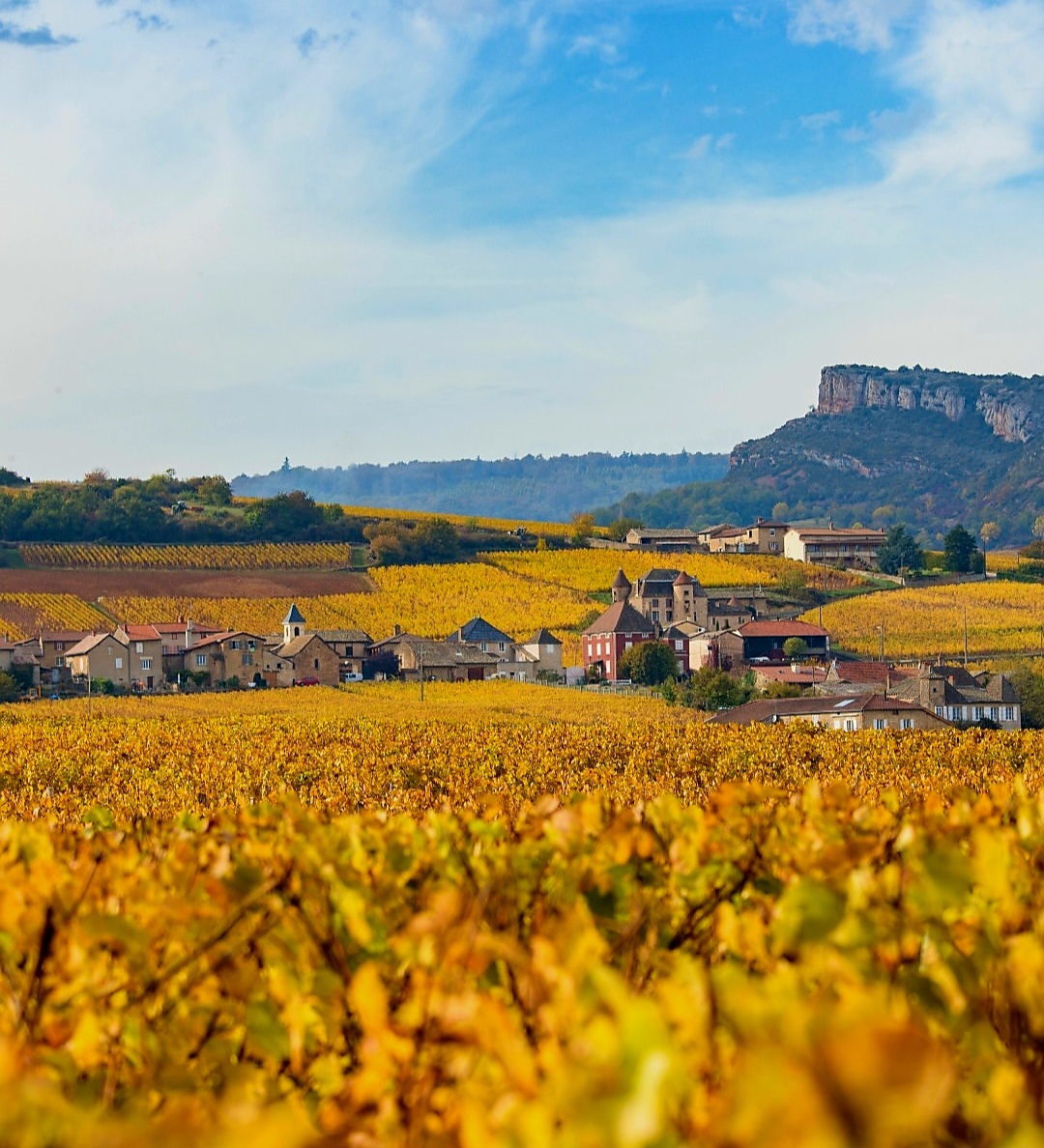
Right at the southern tip of Bourgogne lies the Mâconnais, where the landscape visibly shifts to embrace a touch of the Mediterranean.
These Mediterranean influences mean the grapes in the Mâconnais ripen slightly faster than in the northern Côtes. It is not uncommon for harvests here to begin a week or so earlier than elsewhere in the region. This drier, sunnier weather, paired with distinct soils, yields wines celebrated for their vibrant fruit aromas, rich textures, and sunny disposition, offering an enticing alternative for adventurous palates.
© Ph. Vins de Bourgogne
From Earth to Glass: The Art of Winemaking
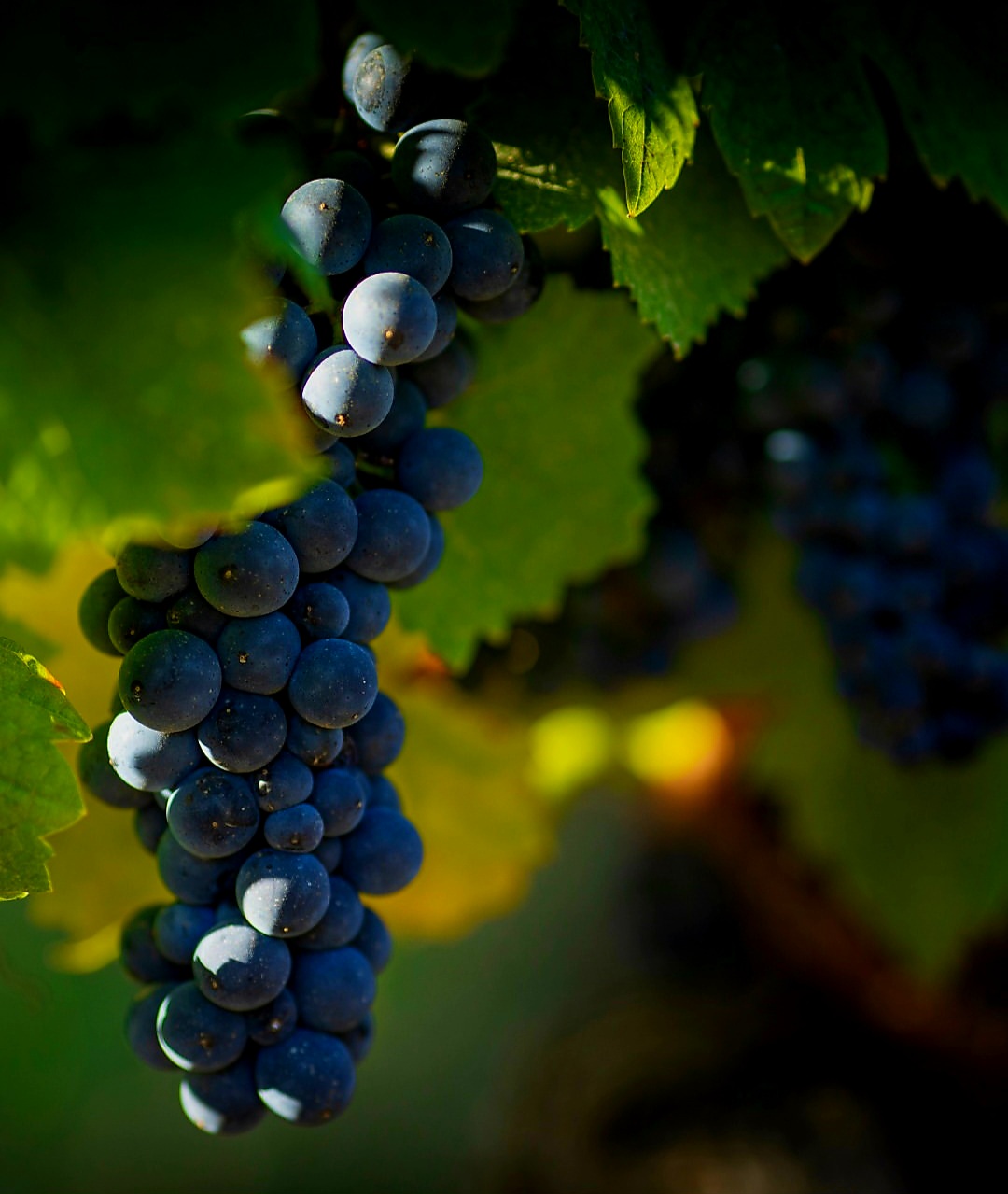
The journey of a Bourgogne wine does not end in the vineyard; it is merely transformed. Once the grapes achieve optimal ripeness and are carefully harvested, often by hand to preserve the integrity of the fruit, the vinification process begins.
While the fundamental steps of winemaking have changed little over the centuries, each producer brings a personal touch, adapting traditional methods to suit their vision. Vinification is guided by family heritage, the specific requirements of individual plots (or climats), and the unique weather characteristics of each vintage.
After alcoholic fermentation transforms the grape juice (must) into wine, the ageing process commences. Whether taking place in stainless steel vats or traditional oak barrels, ageing is where the wine truly finds its voice. It hones the personality of each bottle, underlining its unique terroir-driven characteristics and gradually unlocking layers of complex, evolving aromas.
© Ph. Vins de Bourgogne
Bourgogne is a place where geology, climate, and culture intersect, inviting travelers, historians, and wine lovers alike to discover the past in its landscape and taste the present in every glass.