
In 1535, French explorer Jacques Cartier sailed his ships up the St. Lawrence River and dropped anchor near an island rich with wild-growing vines. Captivated by the bounty, he christened the land Île d’Orléans-though history affectionately remembers his first impression by naming the spot Île de Bacchus, after the Roman god of wine.
Cartier’s discovery sparked a dream that would take nearly five centuries to fully realize. Early pioneers, most notably Samuel de Champlain, attempted to cultivate the European grapes they knew and loved back home-Vitis vinifera, the proud lineage that yields today’s Chardonnay and Cabernet Sauvignon. But the harsh, unyielding Canadian winters proved a formidable adversary. Champlain’s noble European vines withered and died, establishing a narrative of trial and error that would define Quebec winemaking for generations.
For centuries, local attempts at viticulture were sporadic and largely unsuccessful. It wasn’t until the 1860s, inspired by the emerging success of cold-climate hybrid grapes in Ontario’s Niagara Peninsula, that a renewed wave of enthusiasm swept through the province. Winemakers planted cold-hardy hybrids, hoping to crack the code of the northern terroir. Yet, meager yields and unpredictable winters forced many to abandon their ambitions, leaving the dream of a Quebec wine industry dormant once more.
Then came the Quiet Revolution.
Sweeping cultural and social transformations in the mid-20th century radically altered the consumption habits of Quebecers. As the province embraced a more cosmopolitan lifestyle, wine transitioned from a rare indulgence to an everyday pleasure. In a staggering cultural shift, the average consumption of wine among Quebecers skyrocketed from a mere 2 litres per person annually to 10 litres in just thirty years.
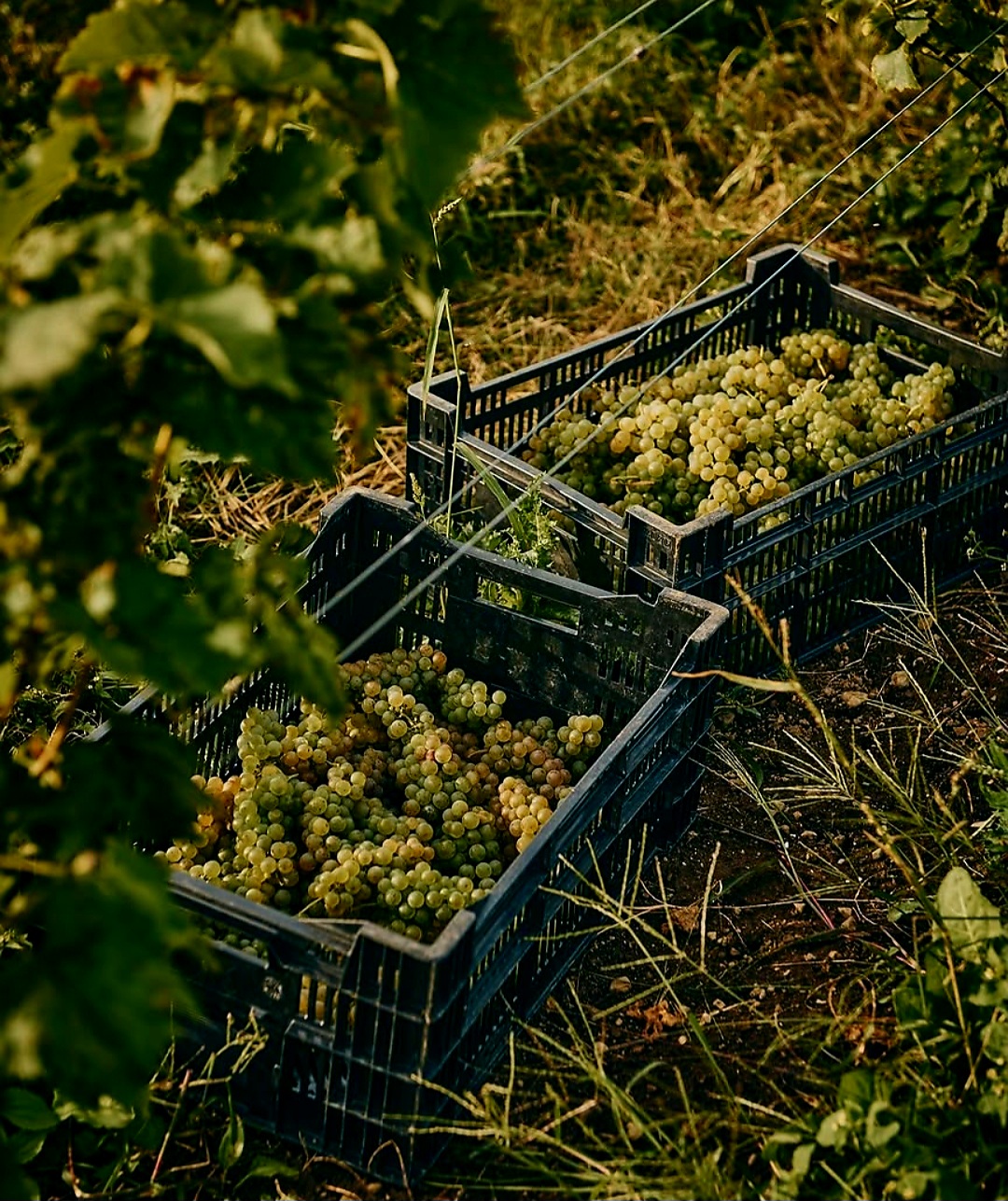
© Ph. Vins du Quebec
This burgeoning thirst required structure. In 1971, the provincial government established the Commission de contrôle des permis d’alcool and the SAQ (formerly the Régie des Alcools du Québec), creating a centralized system for alcohol distribution and retail.
With a thirsty populace and a regulated market in place, the stage was set for the modern renaissance of Quebec viticulture. In 1980, winemaking roared back to life with a distinctly artisanal spirit. Pioneers across the province broke ground on new vineyards, and within a single decade, 75 wineries had staked their claim in the Quebec landscape.
The industry began to organize. In 1987, the Quebec Winegrowers Association (QWA)—later renamed the Wine Council of Quebec (Conseil des vins du Québec, CVQ) in 2018—was born. Visionary winemakers began securing shelf space at the SAQ and selling their wares directly at public markets, introducing locals to the concept of home-grown wine.
Legislative milestones quickly followed. On July 5, 1996, a landmark regulation permitted restaurants to purchase wine directly from local producers for the first time. Artisanal permits were introduced, authorizing the commercial sale of wines made exclusively from grapes grown on Quebec vineyards boasting a minimum of 5,000 vines.
As the industry matured, quality became the ultimate benchmark. In 2009, the QWA launched the “Québec Certified Wines” label to champion local excellence. This advocacy reached its apex in 2015 when producers applied for a Protected Geographical Indication (PGI) designation for “Quebec Wine” through the Conseil des appellations réservées et des termes valorisants (CARTV). By 2018, the Government of Quebec officially recognized the PGI “Quebec Wine” status. This monumental decree established rigorous specifications and mandatory supply-chain traceability from vine to bottle, ensuring that every drop bearing the PGI seal met the highest standards of authenticity. The 2018 vintage proudly stood as the first to carry this prestigious designation.
Today, Quebec is recognized as a vibrant, multifaceted wine region divided into nine distinct wine-producing areas, each showcasing the unique typicity of the Belle Province’s diverse terroirs.
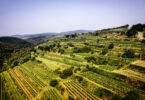
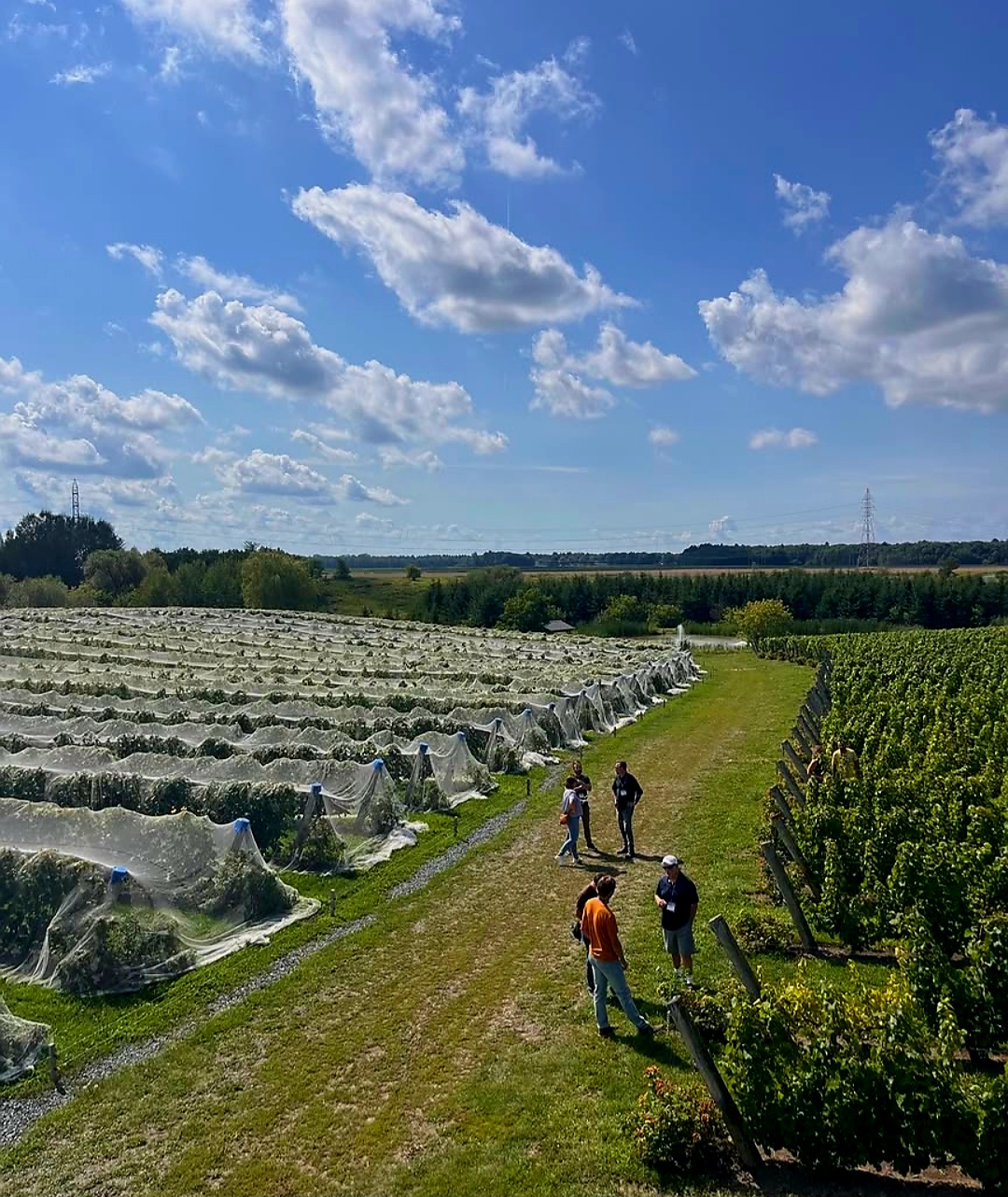
Among these, the Outaouais Valley features a humid continental climate where warm winds from the Great Lakes do battle with cold northern currents. Its lowlands are rich in postglacial marine clay, while sandy, gravelly beaches mark the edges of ancient seas. Nearby, the Deux-Montagnes region, encompassing Deux-Montagnes, Mirabel, and Vaudreuil-Soulanges, benefits from the moderating microclimatic embrace of surrounding waterways like Lake Deux-Montagnes and the Ottawa River. Its flat landscape, punctuated by the Oka and Rigaud mountains, boasts gentle hills covered in marine sediments that shelter healthy, robust vines.
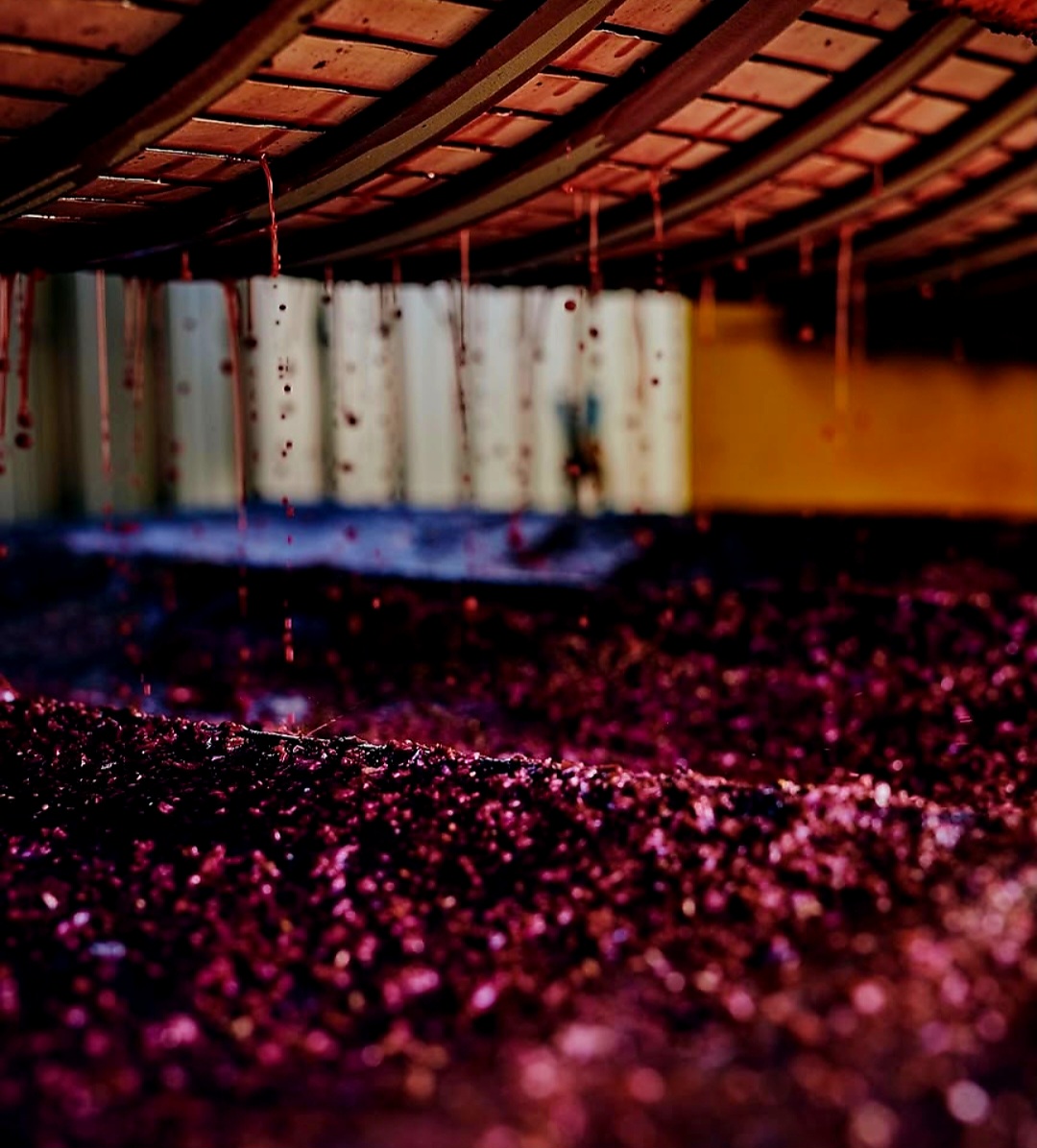
© Ph. Vins du Quebec
Moving further south and east, the Richelieu River Valley boasts some of the province’s most favorable grape-growing conditions, characterized by long frost-free periods and rich clay and organic soils resting atop glacial deposits. This sets the stage for the South Appalachian Foothills, stretching from Lake Champlain to the Sutton Mountains. Home to Dunham—the undisputed birthplace of Quebec’s commercial wine industry—this region transitions from the St. Lawrence high terraces in the west to the rugged, cooler elevations of Frelighsburg and Sutton in the east.
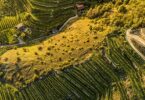
Directly adjacent, the North Appalachian Foothills run along the initial ridges of the Appalachian chain. Here, soils transition from neutral and calcareous in the west to acidic and slate-gravelly in the east, while wider thermal amplitudes and deeper winter snowpacks define a distinctly crisp growing environment. Finally, the Monteregian Hills region is dominated by a chain of ten ancient mountains formed between 90 and 125 million years ago. Vineyards planted on the slopes of hills like Saint-Bruno, Saint-Hilaire, and Rougemont feast on sandy, gravelly ancient beach deposits left behind by the Champlain Sea, drinking in varied, hillside sunshine that creates dynamic microclimates.
© Ph. Vins du Quebec
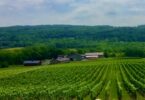
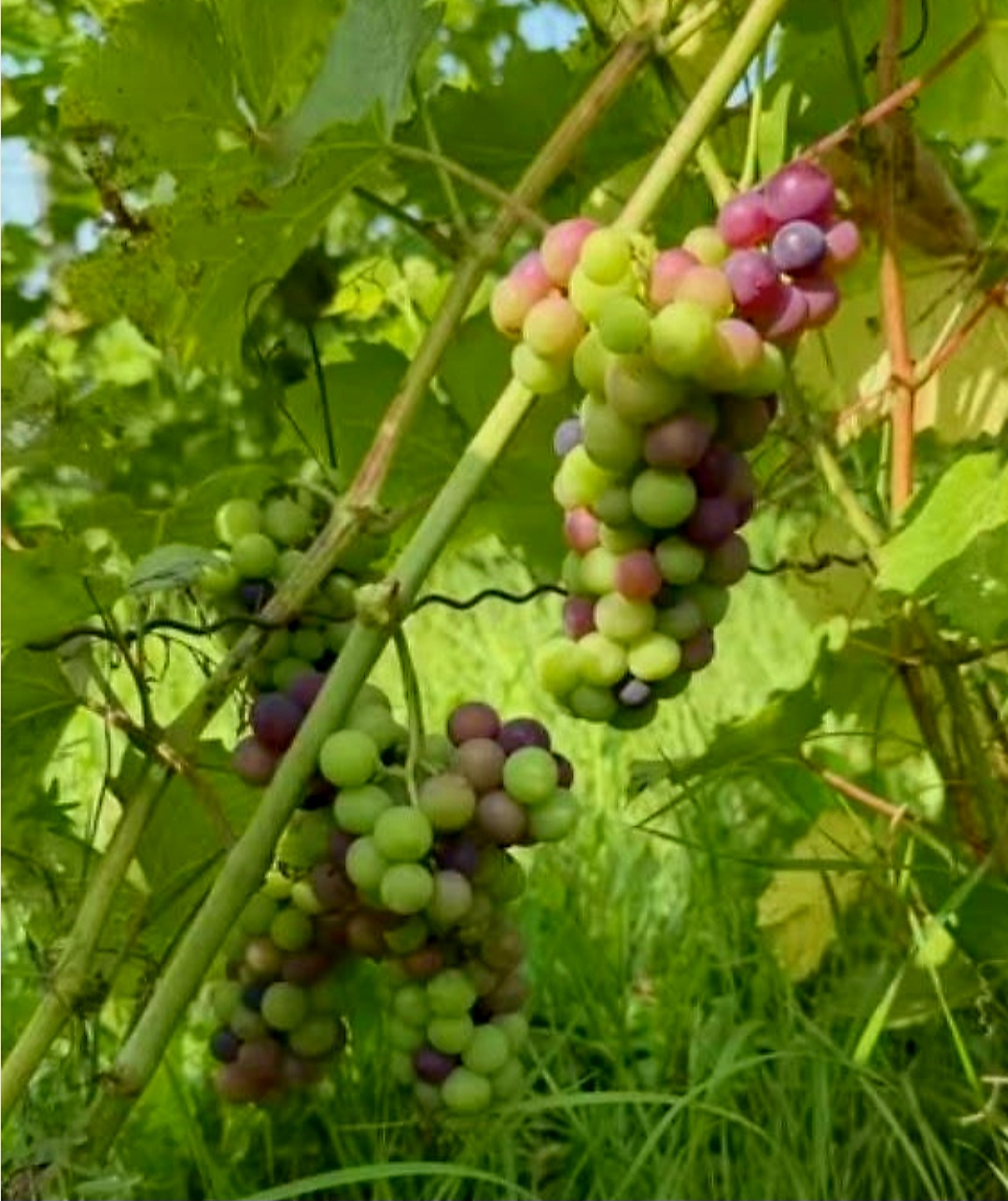
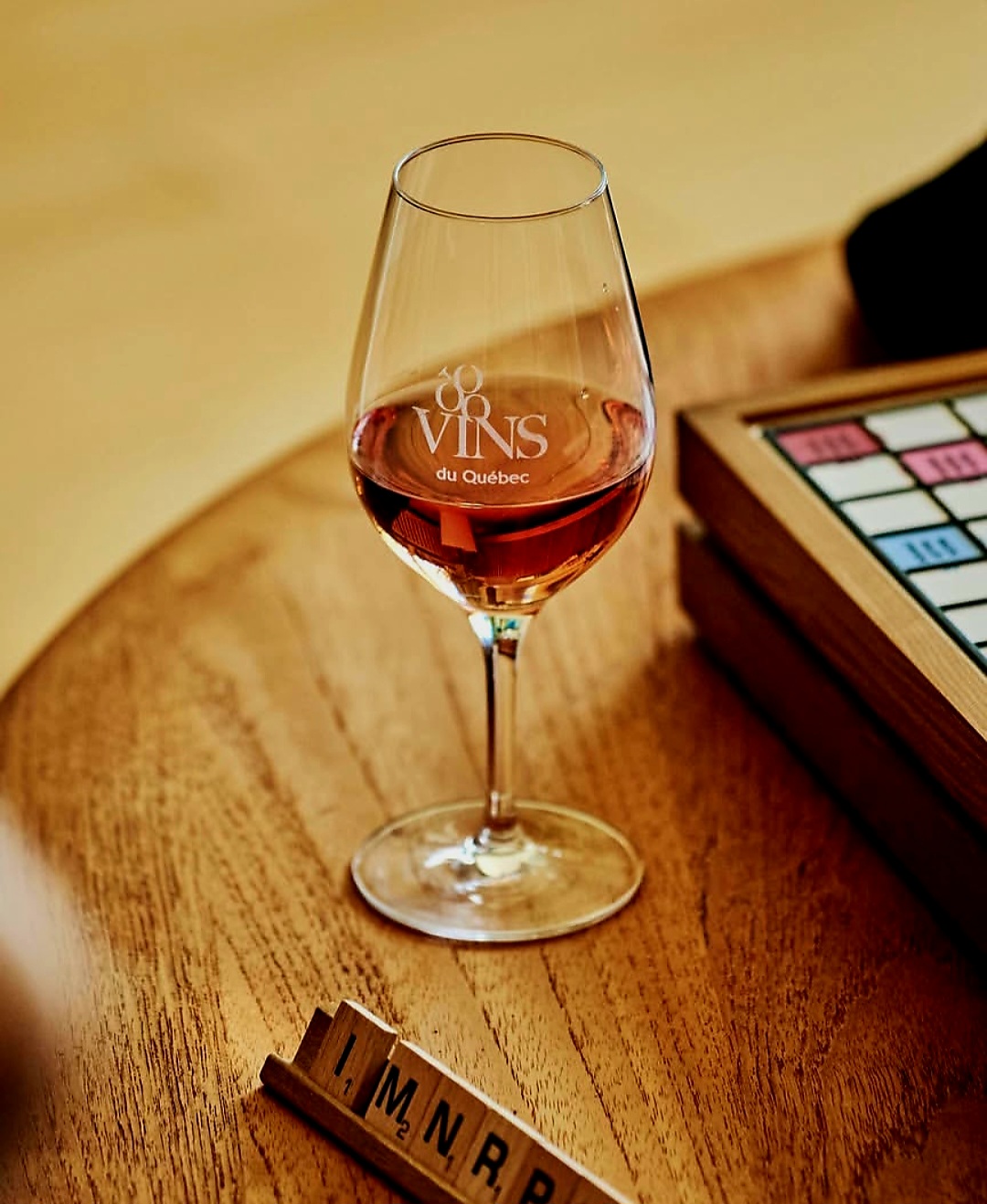
Navigating these challenging northern climates requires resilient grapes, and no variety has embraced the Quebec terroir quite like the Black Frontenac (Frontenac noir). Born from the University of Minnesota’s hybridization program-a cross between Vitis riparia 89 and the French hybrid Landot 4511-the Black Frontenac reigns as the most widely cultivated black grape in the province. Unstoppably vigorous, deeply resistant to cold and disease, and naturally high in sugar and yields, it is a vigneron’s dream. In the cellar, it yields aromatic, deeply colored wines brimming with seductive notes of black cherry, blackberry, cassis, and plum. Whether crafted into a refreshing rosé, a fruit-forward red, or a luscious fortified wine, Frontenac noir is celebrated for drinking fresh and young, yet possessing an uncanny ability to age gracefully.
Hot on its heels is its sibling, the Frontenac blanc, the youngest member of the Frontenac family. Tied for the second-most cultivated grape in Quebec, Frontenac blanc gifts consumers with bright, fresh wines singing with aromas of tropical fruit, pear, and peach, while offering brilliant potential for sparkling wines, mistelles, fortified selections, and even prized straw wines.
© Ph. Vins du Quebec
From Cartier’s bewildered gaze at wild riverbank vines to modern, PGI-certified vineyards producing world-class cold-climate wines, Quebec has transformed its geographical challenges into a badge of honor. The story of Quebec viticulture is no longer an experiment; it is a triumphant reality etched in clay, limestone, and resilience, poured generously into glasses around the world.