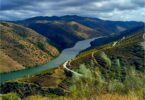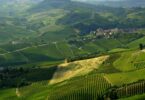



Look up and to the east from the bustling floor of the Napa Valley, past the manicured vineyard rows hugging the valley center, and your eyes will inevitably land on the rugged, mist-veined crests of the Vaca Mountain Range. Dominating this dramatic eastern horizon is Atlas Peak, standing as the most prominent peak in the entire Napa Valley at a towering elevation of 2,663 feet.
More than just a geographical landmark, Atlas Peak is the heart of one of California’s most revered and distinctive American Viticultural Areas (AVAs). Here, high above the fog line, viticulture is a radical act of passion. It is a realm of steep slopes, volcanic soils, blazing daytime sunlight, and cool mountain breezes—a place where patience and grit are rewarded with some of the most expressive, sought-after Cabernet Sauvignon and Bordeaux varietals in the world.
A Landscape Etched by Elevation and Geography
Geographically, the Atlas Peak appellation is primarily situated within the Soda Canyon and Foss Valley areas. It lies northeast of the town of Napa, directly east of Yountville, and sits majestically perched above the upper foothills of the famed Stags Leap District.
The topography of Atlas Peak is defined by its dramatic verticality. Encompassing the western slopes of the Vaca Range, the appellation is a mosaic of steep inclines, thin soils, and prominent rock outcrops. Unlike the valley floor, where soils are often deep, alluvial, and rich, Atlas Peak’s terrain is unapologetically wild and austere.
This rugged topography fundamentally shapes the climate of the region. Atlas Peak experiences cool, wet winters followed by warm, dry summers. However, its lofty elevation—frequently sitting above the cool maritime fog layer that blankets the Napa Valley floor each morning—grants the vineyards a unique meteorological profile.
During the growing season, Atlas Peak vines are bathed in intense, uninterrupted sunlight throughout the day, driving phenolic ripeness and deep, concentrated flavors in the grapes. Yet, as evening falls, temperatures drop significantly, preserved by the mountain air. This dramatic diurnal temperature shift—with daytime temperatures often running a refreshing 10 degrees cooler than the valley floor—allows the grapes to retain vital natural acidity, ensuring balance, elegance, and structure in the finished wines.

Atlas Peak AVA-©SuzanneBeckerBronk
Born of Fire: The Volcanic Terroir
To understand Atlas Peak wine is to understand its soil. Millions of years of geological upheaval and volcanic activity have left an indelible stamp on the land.
The soils of the appellation are predominantly volcanic in origin. Strikingly, they feature a distinctive basaltic red color, a vivid visual indicator of iron-rich volcanic rock that has weathered over millennia. These soils tend to be shallow, rocky, and exceptionally well-drained.
For a grape grower, shallow, well-draining volcanic soils present a formidable challenge, but for a winemaker seeking greatness, they are holy grail territory. Because the soils lack excessive vigor and drain water rapidly, the Atlas Peak vines must dig deep root systems into fractures in the underlying rock in search of moisture and nutrients. This physiological stress forces the vine to redirect its energy away from excessive leaf canopy growth and focus entirely on producing small, intensely concentrated clusters of grapes. The resulting yields are naturally low, but the concentration of flavor, color, and tannin in every single berry is monumental.
Roots in History: From 19th-Century Pioneers to Modern Recognition
While Atlas Peak often feels like a frontier of modern winemaking, its viticultural roots run surprisingly deep.
Grapevines were first planted on the slopes of Atlas Peak as early as 1870, during an era when Napa Valley pioneers were eagerly exploring the agricultural potential of the county’s hillside locations. Recognizing that mountain fruit possessed unique qualities not found on the valley floor, early settlers steadily expanded the region’s vineyard acreage between 1880 and 1901. In its infancy, the region was remarkably diverse, cultivating a wide array of grape varieties suited to European palates.
However, the journey of Atlas Peak was not linear. The triple blows of Phylloxera, Prohibition, and the Great Depression effectively wiped out the nascent mountain wine industry, sending the slopes back into a slumber of brush, oak, and chaparral.
It wasn’t until the early 1980s that modern visionaries rediscovered the potential of Atlas Peak, establishing the area’s first contemporary commercial winery and replanting its historic hillsides. The renaissance of the mountain was swift and impactful. Recognizing the distinct microclimate, unique volcanic soils, and the unmistakable profile of the wines produced there, the region successfully petitioned the federal government for official AVA status, which was granted in 1992.

Atlas Peak AVA-©SuzanneBeckerBronk
Today, Atlas Peak is synonymous with world-class Cabernet Sauvignon and opulent, structured Bordeaux varietals.
While the appellation is versatile enough to grow a wide array of grapes—including Cabernet Franc, Chardonnay, Malbec, Marsanne, Merlot, Petit Verdot, Sangiovese, Sauvignon Blanc, Syrah, and Zinfandel—Cabernet Sauvignon reigns supreme as the undisputed king of the mountain.
Atlas Peak Cabernet Sauvignon is legendary for its distinct personality. Unlike the plush, fruit-forward, and opulent styles often found on the warm valley floor, mountain Cabernets possess a wilder, more untamed soul. They are characterized by deep, dark fruit flavors of black currant, blackberry, and black cherry, interwoven with signature mountain notes of crushed rock, graphite, dried herbs, cedar, and subtle hints of volcanic earth.
Furthermore, because of the intense sun exposure and the thick skins generated by the mountain climate, these wines boast a formidable tannic structure. They are wines built for the long haul—structured, muscular, yet possessing a vibrant freshness and mineral-driven backbone that keeps them endlessly complex. They enamor wine collectors and enthusiasts who appreciate power balanced by nuance.

Atlas Peak AVA
The influence of Atlas Peak extends far beyond its physical borders. Atlas Peak growers and farmers supply premium fruit to dozens of prestigious wineries across both Napa and Sonoma counties, serving as the secret weapon behind some of the most celebrated and highest-rated wine bottlings in California.
At the same time, a vibrant community of local vintners and winemakers chooses to produce, bottle, and market their own estate brands directly from the appellation. These producers work in harmony with the rhythms of the mountain, practicing meticulous farming that respects the delicate balance of the native ecosystem.
To champion this unique region, the Atlas Peak Appellation Association serves as the collective voice for the area. The mission of the association is clear and steadfast: to promote, market, and create global demand for the distinct qualities, characteristics, uniqueness, and purity of grapes grown and wines produced from Atlas Peak. Through education, advocacy, and shared stewardship, the association ensures that the story of this majestic mountain continues to be told with integrity.
As the wine world evolves, the allure of high-elevation viticulture continues to grow. In an era where climate shifts challenge traditional wine regions, the cool mountain air, elevation, and afternoon breezes of Atlas Peak offer a natural resilience that forward-thinking winemakers deeply value.
Yet, farming on Atlas Peak remains as challenging today as it was for the pioneers of 1870. It requires navigating steep slopes, managing water scarcity, protecting vines from wildlife, and enduring the isolation of the mountain. Those who work this land are not merely farmers; they are custodians of a rare and dramatic landscape.
For the wine enthusiast lucky enough to uncork a bottle of Atlas Peak Cabernet Sauvignon, what rests in the glass is liquid history and geography. It is the brilliant California sunshine, the cool rush of the night air, the mineral of volcanic rock, and the unwavering dedication of the people who call the mountain home—all captured in a single, magnificent sip.