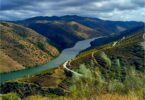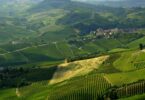



Just a 30-minute drive north of Lyon, lies a sprawling canvas of green and gold. Stretching 55 kilometers from north to south, the Beaujolais vineyard is often unfairly boxed into a single narrative dictated by the autumn arrival of Beaujolais Nouveau. But peel back the labels, travel beyond the rush of November, and you will find a historic, complex, and fiercely passionate wine region.
Straddling the divide between Burgundy to the north and the Rhône Valley to the south, modern Beaujolais spans 23,000 hectares of vines. It is a land shaped by ancient trade routes, Roman conquerors, medieval monks, and, most importantly, a breathtakingly diverse geology that has earned the region recognition as a UNESCO Global Geopark.
A Roman Beginning and a Monastic Rebirth
Viticulture in Beaujolais is nearly as old as French recorded history. The region’s vines were born during the Roman conquest of Gaul, with the first traces of Beaujolaise viticulture appearing around 59 BC. Its strategic location at the heart of major communication axes immediately propelled the development of vines and the export of wines.
Following the fall of the Roman Empire, it was the medieval monks who rescued and resurrected vine culture in Beaujolais, intensifying agricultural activity and establishing new vineyards across the hillsides. Centuries later, the arrival of the 19th-century railway thrust Beaujolais wine onto the Parisian stage, where the refreshing, fruit-forward profile of the “new” wine captivated the capital.
Even when the devastating phylloxera crisis threatened to wipe out the French wine industry, Beaujolais survived through the grafting of American rootstocks, allowing the vineyards to adapt and thrive.

© Vins du Beaujolais
The Richest Geology in France
If Beaujolais is experiencing a golden age, it is largely thanks to a groundbreaking, decade-long scientific endeavor. Between 2009 and 2018, at the request of Inter Beaujolais, the Sigales soil study office partnered with the Rhône Chamber of Agriculture to map the region.
Led by experts such as Isabelle Letessier, Sigales, and Nicolas Besset, the colossal field study established a detailed cartography of the entire vineyard. What they uncovered solidified Beaujolais’ status as the most geologically rich and complex wine region in France, identifying more than 300 distinct soil types across its 12 appellations.
Today, winegrowers, estates, and cooperatives use these high-precision maps to fine-tune their plot-by-plot management.
This geological mosaic shifts dramatically across the region:
The North: Dominated by granite soils—affectionately known as “flower granite”—which nurture the region’s greatest, most structured vintages.
The Center: Home to the rolling hills of the Pierres Dorées (Golden Stones) region, characterized by limestone soils.
The South: Marked predominantly by shale-based soils.
Climatically, Beaujolais enjoys a privileged position. It benefits from hot Mediterranean summers that bake the grapes, balanced by an average annual temperature of 11°C courtesy of damp ocean and semi-continental influences.
Two Core Grapes, Endless Expression
Unlike regions that cultivate a dozen varieties, Beaujolais remains remarkably focused, dedicating nearly all of its land to just two grapes:
Black Gamay (97% of the vineyard): A red grape that acts as a chameleon in the hands of skilled winemakers. It yields vibrant, fruity, and spicy red wines, as well as deeply fragrant rosé wines.
Chardonnay: A more confidential white grape used for crisp white and effervescent wines, expressing the nuances of its terroir with striking variation.
Rare exceptions aside—such as Pinot Noir, Pinot Gris, Melon Blanc, and Aligoté—Gamay and Chardonnay reign supreme.

© Vins du Beaujolais
A Hierarchy of Appellations
Beaujolais wines are officially categorized into three distinct tiers of appellations, each offering a unique window into the region’s diverse terroirs:
Beaujolais AOC: The largest appellation, covering 96 villages primarily in the southern sector. Due to the vast diversity of terroirs, the quality within this entry-level tier varies, offering an accessible entry point to the region’s fruit-forward style.
Beaujolais Villages AOC: Spanning 38 villages, this tier steps up significantly in quality and complexity. Thirty of these villages are permitted to print their specific names on the bottle label. Many of these vines draw mineral notes from the underlying schist and granite soils.
The 10 Crus of Beaujolais: Located in the rugged northern hills, these ten elite appellations represent the absolute pinnacle of red Beaujolais winemaking. Each cru possesses its own distinct personality:Saint-Amour: Ranging from light and fruity to delightfully spicy.
Juliénas: Known for vibrant red fruit and floral notes.
Chénas: The rarest of the crus, offering wooded, silky, and floral expressions.
Moulin-à-Vent: Revered as the “King of Beaujolais,” producing tannic, structured, and complex wines built for aging.
Fleurie: Hailed as the “Queen of Beaujolais,” offering aromatic, elegant, and light-bodied reds.
Chiroubles: Refreshing, delicate red wines.
Morgon: Powerful, age-worthy wines featuring signature aromas of ripe red fruit and stone fruit (peach).
Régnié: An approachable, fruit-driven wine with notes of raspberry, cherry, and blackcurrant.
Brouilly: A southern-leaning red designed for youthful, easy-drinking enjoyment.
Côtes de Brouilly: Grown on the slopes of Mount Brouilly, producing a distinctively mineral-driven red.
Cruising the Beaujolais Wine Route
For travelers looking to experience this landscape firsthand, the Beaujolais Wine Route offers an unforgettable 140-kilometer journey. Seamlessly continuing from the famed Burgundy Wine Route, this circuit stretches from Chânes down to the outskirts of Lyon, weaving across vine-draped ridges and historic valleys.
Exploring the North: Your journey begins in the north among the dramatic hills of the 10 crus. Here, visitors encounter “heroic viticulture”—vines planted on punishingly steep slopes that demand grueling manual labor. Rising above the landscape is the iconic Mount Brouilly, topped by its charming pilgrimage chapel.
History buffs will find plenty of hidden treasures. Tucked away in Charentay is Argigny Castle, rumored to hold a legendary Templar treasure. Nearby stands the Tour de la Belle-Mère (mother-in-law’s tower), historically used by a suspicious landowner to keep tabs on her daughter’s husband. Odenas boasts the magnificent Château de La Chaize, while Juliénas features a castle with sweeping, vaulted cellars.
The Beaujolais Villages Heartlands: Moving southward, the route cuts through the picturesque villages of the Beaujolais Villages zone. A mandatory stop is Beaujeu, the historic capital of the region, where visitors can explore Saint Nicholas Church, the historic Beaujeu hospices, and the remnants of a castle demolished in 1611.
Winding through steep hillsides, the road passes through Vaux-en-Beaujolais—the birthplace of famed French journalist Bernard Pivot and the real-life inspiration for Gabriel Chevallier’s satirical novel Clochemerle. Further south lies Salles-Arbuissonnas-en-Beaujolais, home to a stunning medieval priory, and the imposing medieval castle of Montmelas.

© Vins du Beaujolais – Etienne Ramousse
The Golden Stones of “Little Tuscany”: The grand finale of the Wine Route brings travelers into the Pierres Dorées (Golden Stones) country. Often nicknamed “Little Tuscany,” this area encompasses 39 villages constructed from a distinct ochre-colored limestone that seems to catch fire, glowing in shimmering gold tones the moment sunlight hits it.
Villages like Oingt, Ternand (with its ancient fortifications), Marcy, Charnay, Jarnioux, Pommiers, and Bagnols transport visitors back in time with their quaint washhouses, historic churches, and fortified gateways nestled amid rolling, vine-covered hills.
Beaujolais is a region that has honored its past while boldly reinventing its future—proving, sip by sip, that it is one of the most dynamic wine destinations in the world.